
 •
•





Coaching, Featured, Tips
Handling Cheer Parents: You Don’t Owe Them a Vote. You Owe Athletes a Fair Process.
Sep



By Steve Pawlyk
Published September 7, 2026
Cheer team placement decisions can cause more conflict than almost any other coaching responsibility. Cuts, level assignments, and stunt positions affect athletes deeply. When coaches provide weak explanations, families fill the silence themselves. They blame politics, favoritism, seniority, body size, or another athlete.
You may make the right decision and still handle it badly. A fair result cannot repair a careless process. Athletes deserve honest feedback, while parents deserve clear rules. Neither group gets a vote on your final roster.
A Cheer Team Is Not a Tryout Leaderboard
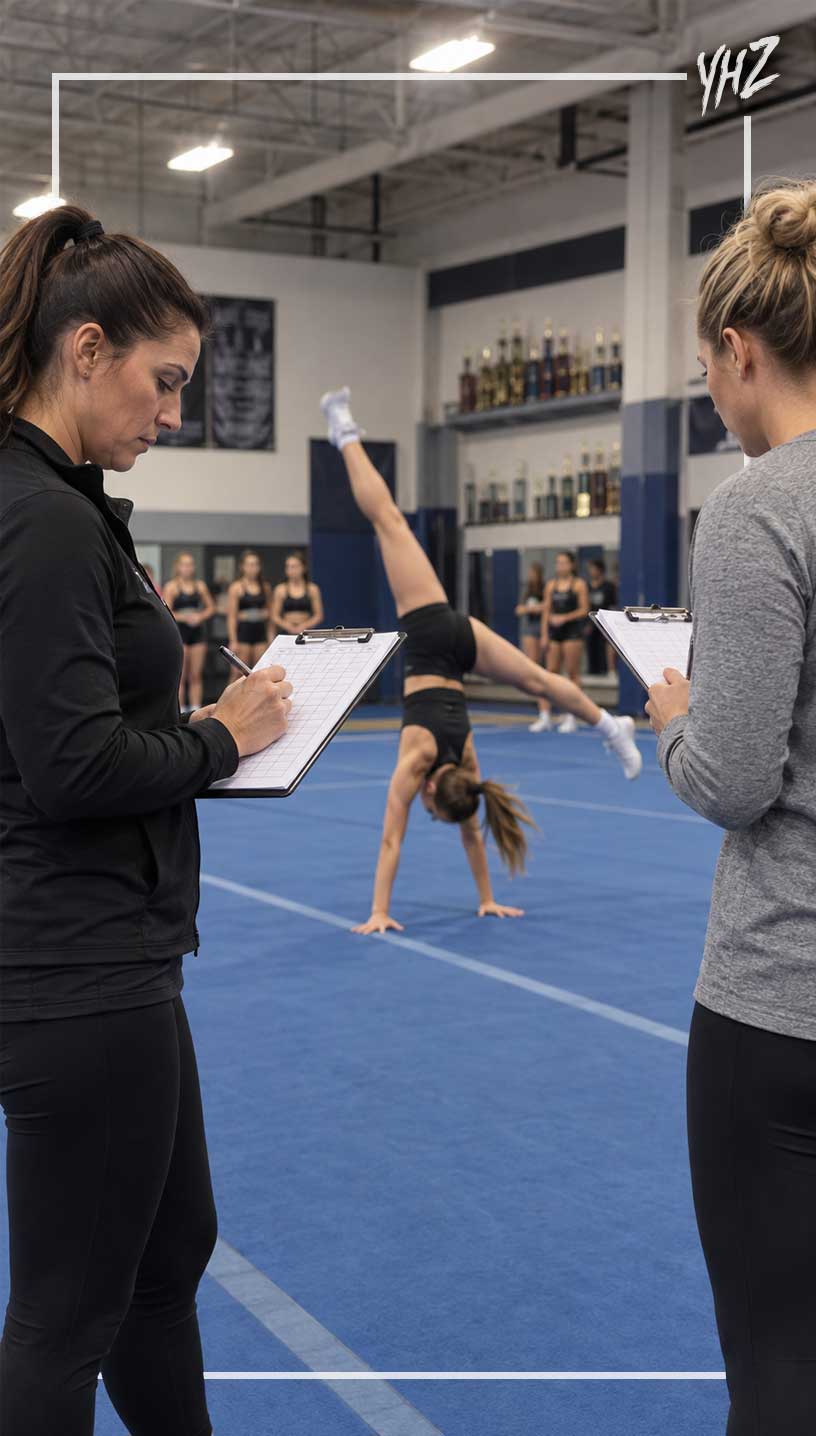
Tryouts measure individual athletes, but competitions judge complete routines. Your highest-scoring tumbler may not fill your greatest roster need. Strong jumps cannot replace a dependable main base or backspot. One athlete may perform harder skills while another executes simpler skills more reliably.
USA Cheer applies this principle during national team selection. Its selectors build the best routine for the scoresheet instead of following a universal skills checklist. USA Cheer explains that athletes can earn selection through exceptional ability in specific categories. An athlete does not need every preferred skill.
Your roster must produce safe stunt groups, legal skills, strong sections, and dependable alternates. Individual rankings alone cannot build that roster. This fact does not give you permission to make unexplained choices. You still need to document why each choice helps the team.
Define What “Placement” Means
Coaches often use “placement” to describe four separate decisions:
- Team selection
- Level or division placement
- Stunt position
- Competition lineup assignment
Explain each decision before evaluations begin. Athletes and parents should know which decisions can change during the season. A team selection may last for the full year, while a stunt position may change after one unsafe practice. Do not let families assume every decision carries the same weight or duration.
A varsity athlete may serve as an alternate. A junior varsity athlete may move up after meeting specific standards. Your program may also keep rosters fixed for the entire season. State those rules before disappointment tests them.
Build a Cheer Tryout Rubric That Matches the Job
A good cheer tryout rubric measures more than visible difficulty. It measures whether an athlete can perform a specific job within your program. You can adjust the percentages below for your division and team goals. Set the weights before tryouts and keep them consistent.
|
Evaluation Area |
Suggested Weight |
What You Should Measure |
|
Safety and consistency |
25% |
Control, technique, timing, landings, catches, and repeated execution |
|
Role-specific skills |
20% |
Flyer, base, backspot, tumbler, dancer, or Game Day responsibilities |
|
Tumbling, jumps, and motions |
20% |
Difficulty, execution, synchronization, and performance quality |
|
Routine contribution |
15% |
Skills that help your planned sections and scoresheet |
|
Coachability and team behavior |
10% |
Response to corrections, effort, focus, and treatment of teammates |
|
Attendance and readiness |
10% |
Reliability, conditioning, preparation, and required commitments |
Your program may value different categories. A non-tumbling team should not copy the rubric from an all-star Level 6 program. The rubric must match the actual job that each athlete will perform. Otherwise, you create false expectations and collect useless scores.
Do not award points for popularity, family connections, or how long an athlete has cheered. Do not let a parent’s volunteer work affect an athlete’s score. Returning athletes should meet the same stated standards as new athletes. Seniority can break a true tie only when your published policy allows it.

Measure Safety and Consistency First
A skill does not help your routine when the athlete hits it once in five attempts. Ask each athlete to perform important skills more than once. Record successful repetitions instead of the athlete’s best attempt. Tryouts reward luck when one clean attempt controls a placement.
Watch how athletes enter, execute, and finish each skill. A tumbling pass with uncontrolled steps does not equal a clean pass. For stunts, track stable holds, safe catches, body control, grips, timing, and communication. Difficulty should never erase repeated safety problems.
Evaluate Athletes in Their Actual Roles
Do not evaluate every athlete as though each position requires the same abilities. Flyers, bases, and backspots solve different problems. A flyer needs body control, timing, flexibility, confidence, and consistent technique. Body size alone does not prove flyer readiness.
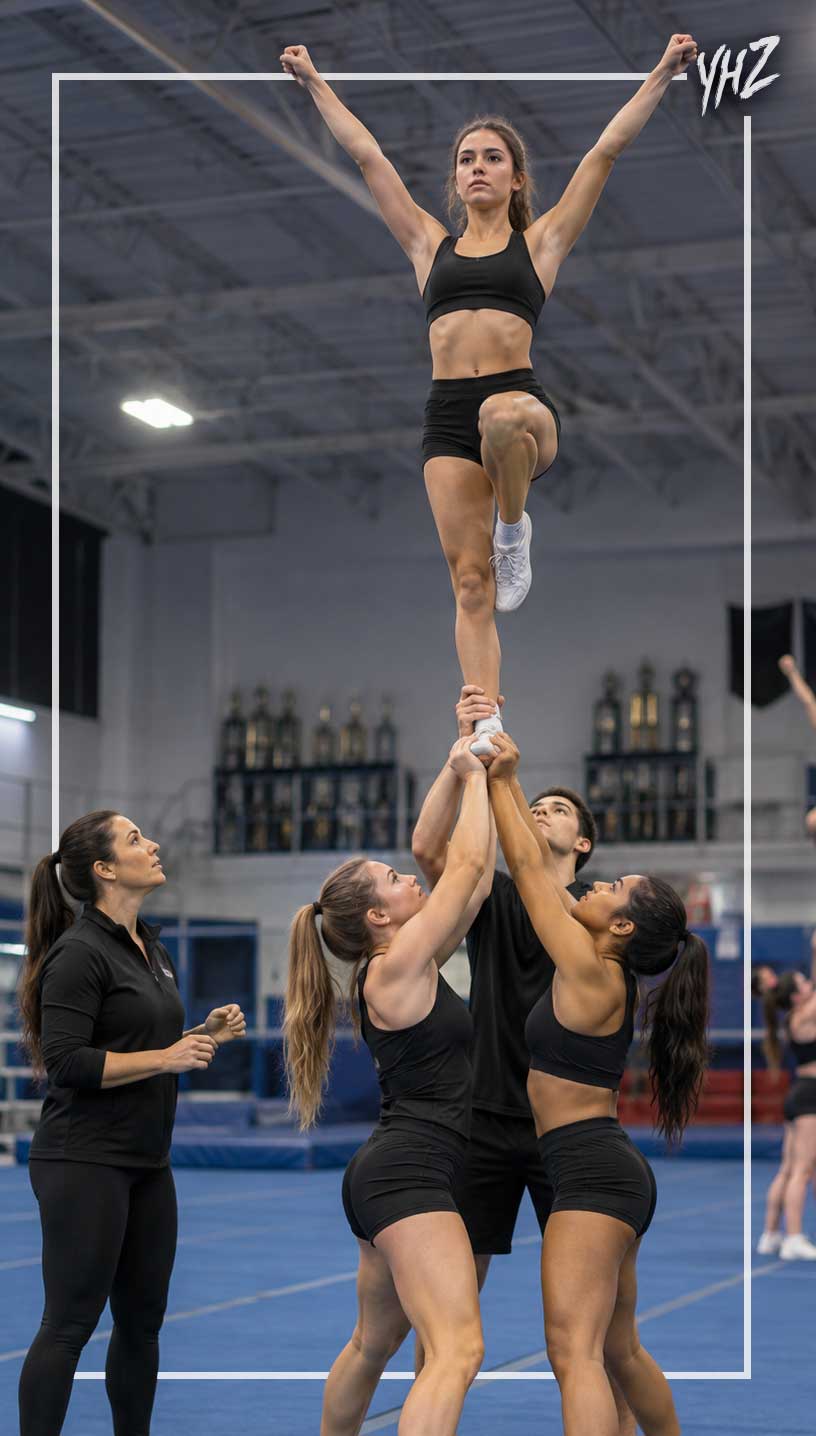
Bases need strength, control, timing, footwork, and reliable grips. Backspots need awareness, power, quick reactions, and strong communication. Test multiple stunt combinations when time allows. An athlete may struggle in one group and perform well in another.
Group results do not excuse individual weaknesses. They can help you separate poor technique from a poor stunt-group match. Record both the athlete’s individual performance and the group’s complete execution. That information will help when you build final stunt groups.
Score Coachability With Observable Evidence
“Bad attitude” tells an athlete very little. It can also hide personal bias. Instead, record what the athlete did and how that behavior affected the evaluation. Observable evidence produces better feedback and gives your staff something concrete to review.
Did the athlete apply a correction during the next attempt? Did the athlete stay engaged while another group worked? Did the athlete blame teammates after a fall? Did the athlete help reset the stunt and ask what needed to change?
These actions show focus, effort, and response to coaching. A vague personality label does not. Score the athlete’s behavior during the evaluation, not the reputation that followed them into the gym. If past conduct affects eligibility, state that rule before tryouts.
Use More Than One Evaluator
Use at least two trained evaluators when your staffing allows it. Have each person score independently before discussing results. Compare scores after the session, then review large differences. Ask each evaluator to identify the exact skill or behavior that caused the difference.
One evaluator may miss a landing error while watching upper-body technique. Another may notice the error but miss how quickly the athlete applied a correction. Multiple evaluators also reduce the effect of personal relationships. They cannot remove every bias, but they make unsupported decisions harder to defend.
Tell evaluators what each score means before tryouts. A score of four must represent the same standard at every station. Run a short test evaluation with video when possible. This step exposes scoring differences before actual athletes enter the gym.
Record Evidence, Not Impressions
Your notes should help you explain a decision several days later. Words such as “weak,” “messy,” or “inconsistent” will not help. Use numbers and visible actions whenever possible. Your notes should answer what happened, how often it happened, and what standard the athlete missed.
|
Weak Feedback |
Useful Feedback |
|
Your tumbling was inconsistent. |
You completed two of five running passes without a landing deduction. |
|
Your stunt was shaky. |
The group completed one of four extended liberties without a fall or major balance check. |
|
You need a better attitude. |
You stopped applying corrections after the second stunt attempt. |
|
You were not ready for varsity. |
Your motions met the standard, but your jumps and stunt timing scored below the varsity range. |
|
Another athlete fit better. |
The roster needed a backspot who could execute the required sequence consistently. |
You do not need to hand families every evaluator’s private note. You need enough evidence to explain your decision accurately. Save evaluation sheets according to your school or gym policy. Do not rely on memory after emotions rise.
Explain When Team Needs Affect the Result
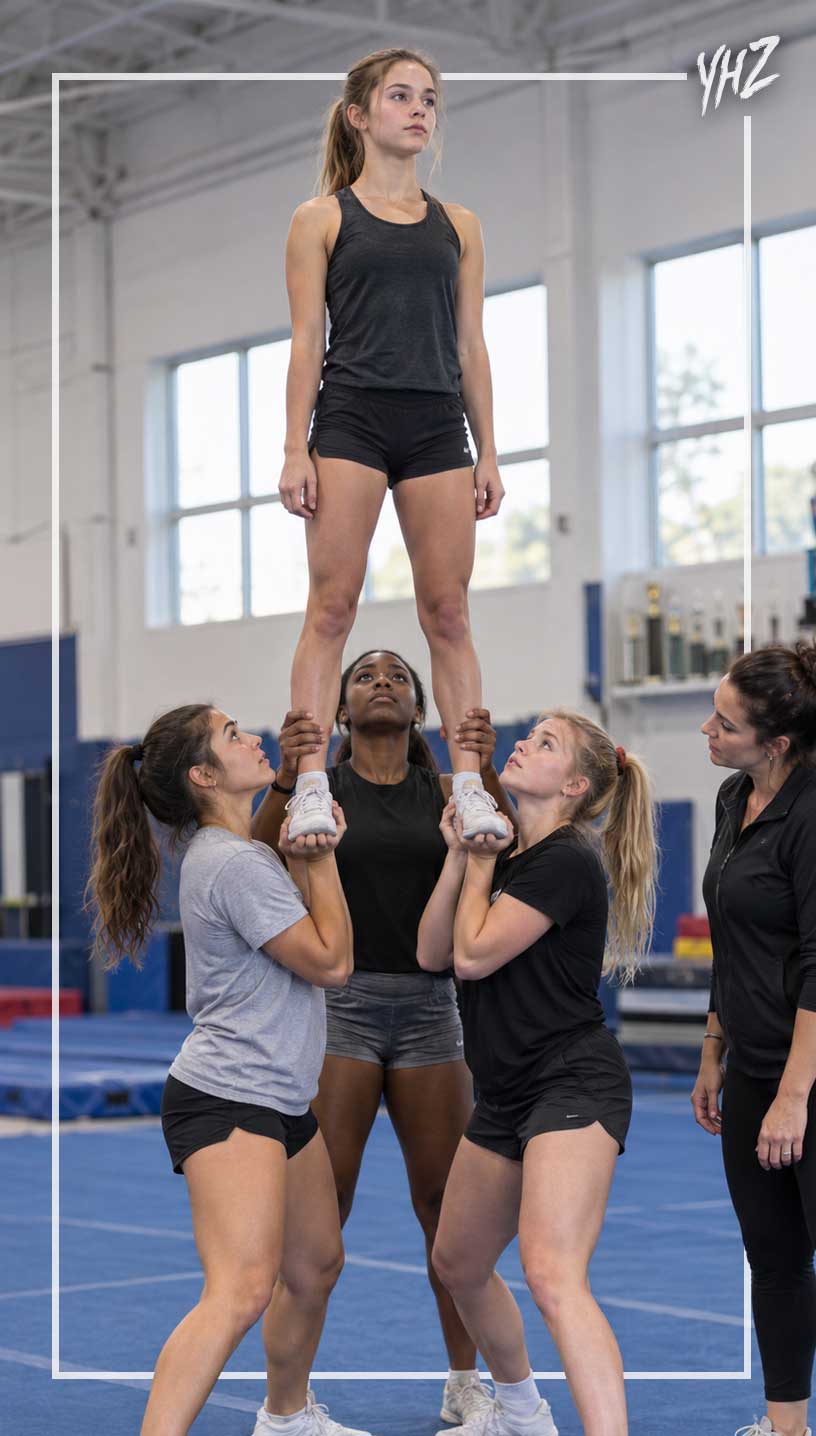
A composite score should inform your decision, but it should not automatically control every roster spot. Imagine that your 20 highest scores include eight flyers and only three dependable bases. A strict ranking cannot create safe stunt groups. Your roster needs enough athletes for every required role.
State before tryouts that team composition affects final placement. Define the positions, specialties, and alternates you expect to select. If your final decision differs from the score ranking, document the team need that caused it. This record helps you separate legitimate roster judgment from personal preference.
Do not hide every choice behind “team needs.” Name the actual need when you can discuss it without exposing another athlete’s information. You can say the roster needed another backspot. You cannot discuss another athlete’s score, injury, behavior, or private circumstances.
If your planned routine shapes the roster, complete a cheerleading skills audit before choreography. Build for the athletes you have. Do not select a roster that depends on skills your team rarely hits. Potential cannot replace current readiness when safety depends on the result.
Stop Promising Permanent Positions
Never promise an athlete a flyer spot, varsity placement, or competition position before evaluations. Previous placement does not guarantee future placement. Athletes change, and teams change with them. Rules, divisions, attendance, injuries, and routine needs also affect assignments.
A returning flyer may become a stronger base. A new athlete may fill a missing stunt position. You can respect an athlete’s preferred role without granting ownership of it. Team positions belong to the program, not individual athletes.
Explain this policy before the season. Do not introduce it after you move someone. Families may still dislike the change, but they cannot honestly call the rule new. Consistency gives your explanation credibility.
Announce Results With Respect
Do not post a public ranking. Share the roster, then keep individual evaluations private. Every athlete should receive enough information to understand the result. The message should remain direct, brief, and specific.
Each athlete should receive five pieces of information:
- The placement decision
- The main reason
- One or two demonstrated strengths
- Specific areas to improve
- A re-evaluation date, when one exists
Do not spend ten minutes praising an athlete before stating the result. They will hear the coming rejection and distrust the praise. Give them the decision first, then explain the evidence. Respect does not require you to hide bad news inside compliments.
Do not invent a future opportunity to soften the result. False hope delays the athlete’s next decision and damages your credibility. If your roster stays fixed, say so. You can still provide a useful development plan.
A development plan should name skills and standards. “Work harder” does not tell an athlete what to practice. You can use a structured cheerleading progression program to guide that work. Give the athlete a realistic path, even when that path starts next season.
What to Say During Difficult Placement Conversations
Clear language prevents long, confusing conversations. It also keeps you from making emotional promises. You do not need a perfect speech. You need an honest decision, supporting evidence, and the next available step.
When an Athlete Does Not Make the Team
We did not select you for the roster this season. You showed strong motions and effort, but your stunt timing needs more work.
I can show you the two standards to improve before your next evaluation.
State the result before discussing improvement. Do not imply that extra classes guarantee future selection. Training can improve the athlete’s chances, but the next roster will still depend on performance and team needs. Say what you know and stop there.

When an Athlete Makes Junior Varsity Instead of Varsity
We placed you on junior varsity because you can contribute and train safely there now. Your tumbling met our varsity range, but your stunt timing did not. We will review your placement on October 15.
Only offer a review date when your program permits movement. Do not create a date that carries no real possibility. Explain the standards that the athlete must meet before that review. The date means little without measurable requirements.
When You Move a Flyer to Base
We are moving you to main base because the stunt groups perform more safely with that change. This assignment does not punish you. We will train you in the new role and review the groups after four practices.
Don’t tell the athlete that another flyer “beat” them. Explain the team decision and the athlete’s new responsibilities. Give the athlete real instruction in the new role. A reassignment without training sets the athlete up to fail twice.
When a Parent Demands Information About Another Athlete
I can explain our criteria, your athlete’s evaluation, and the available next steps. I can’t discuss another athlete’s scores, health, behavior, or placement. The coaching staff makes final lineup decisions.
Repeat the boundary once if needed. Do not defend another athlete or confirm the parent’s rumors. End the meeting when the parent refuses to respect your privacy rules. Your willingness to meet does not require you to accept abuse.
Speak With the Athlete Before the Parent
When age and program rules allow it, ask the athlete to begin the conversation. This approach teaches self-advocacy and reduces secondhand claims. The athlete can ask what needs improvement and hear the answer directly. Parents can join later when the situation requires their involvement.
NFHS recommends an athlete-to-coach-to-athletic-director communication chain. Its parent guidance also supports preseason meetings and clear communication rules. A 2022 survey cited by NFHS found that 73 percent of coaches worried about parent abuse. Playing time and athlete roles caused many of those concerns.
The NFHS parent-partnership workshop provides the survey data and communication recommendations. Tell families how to request a meeting before tryout results appear. Do not accept placement debates during practice, in parking lots, or through team group chats. Those settings invite rushed answers and public conflict.
Your program may also use a 24-hour pause after results. Follow your school or gym policy, and allow immediate contact for safety concerns. The pause should reduce emotional confrontations, not block legitimate questions. For wider behavior problems, use the separate YouHitZero guide to dealing with difficult parents.
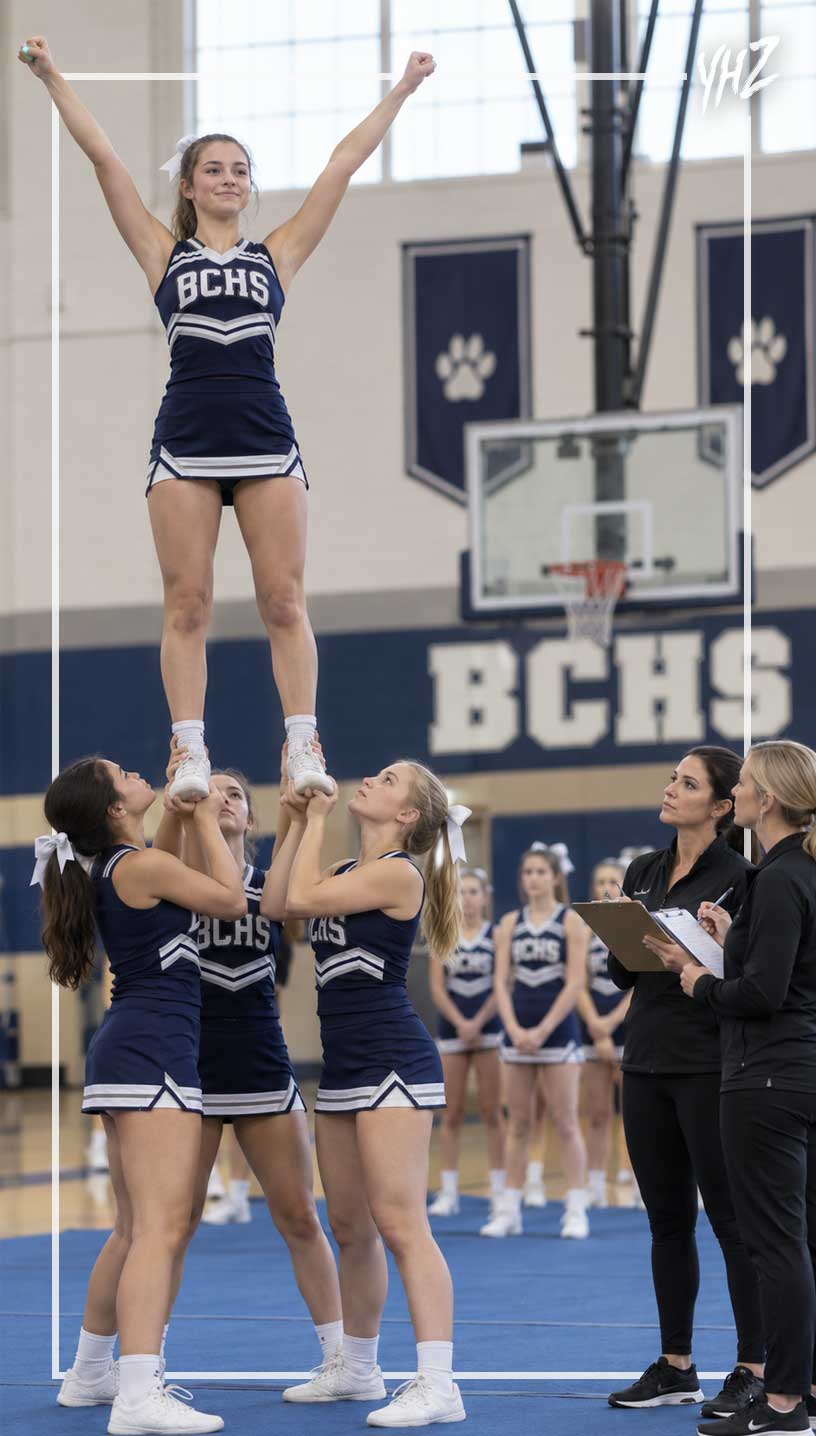
Run the Parent Meeting Without Losing Control
Start with the placement decision. Explain the criteria and show the athlete’s relevant results. Let the parent ask reasonable questions, then bring the discussion back to the athlete. Do not let the meeting become a trial involving every person on the team.
Keep the discussion centered on what the athlete demonstrated, what the current team needs, and what the athlete can do next. Do not compare children or defend rumors. Never reveal private information about another athlete. You can acknowledge disappointment without changing the decision.
You can say:
I understand that this result disappointed you. I will explain how we reached it and what your athlete can control next.
Don’t compare their child to another team member.
Set a meeting length before you begin. Fifteen focused minutes often accomplish more than an open-ended argument. Include another coach or administrator when your policy requires it. And (obviously) follow all program rules for communication with minor athletes.
Explain Midseason Lineup Changes Before They Happen
Making the team does not always guarantee a competition spot. State that fact during registration or your preseason meeting. Explain whether alternates travel, warm up, perform, or receive another assignment. Families should understand the role before the first lineup change.
List the reasons that may change a lineup:
- Safety concerns
- Missed practices
- Injury or illness
- Repeated execution errors
- Routine or scoresheet changes
- Division changes
- Stunt-group compatibility
- Athlete conduct
- Team emergency
You can’t use this list as unlimited cover. Apply each rule consistently and document why you made the change. Tell the athlete quickly, because delays create rumors. Teammates should never need to explain your decision for you.
Give the athlete a new role whenever possible. Alternates still need practice assignments, performance goals, and honest expectations. Do not make them stand at the edge of the mat without direction. A meaningful alternate plan can keep the team ready when an emergency occurs.
Avoid These Common Placement Mistakes
Changing the Criteria After Tryouts
Do not add a standard because your preferred athlete missed the published standard. That choice destroys the value of your rubric. If the rubric failed, repair it next season. Document any urgent exception and involve your program administrator.
Using Body Size as a Shortcut
Do not choose flyers by weight alone. Evaluate body control, technique, flexibility, timing, confidence, and complete group performance. Never discuss an athlete’s body with other families. Use role-specific performance standards instead.
Giving Vague Feedback
“Work harder” does not tell an athlete what to practice. Name the skill, the error, and the required standard. Useful feedback turns disappointment into a plan. Empty feedback turns it into resentment.
Claiming the Process Is Completely Objective
Every roster includes coaching judgment. Admit that fact instead of pretending that a spreadsheet made every decision. Your rubric supplies evidence, but your staff still builds the routine. Document where team needs changed the numerical order.
Hiding Behind “Coach’s Discretion”
You have final authority. Authority does not replace an explanation. If you cannot connect a decision to safety, performance, conduct, or a stated team need, review it. “Because I said so” protects weak decisions, not good coaches.
Letting Parent Pressure Change Standards
A loud parent should not receive a different process. Apply the same meeting rules, privacy limits, and evaluation standards to every family. Changing a placement to end an argument teaches parents that pressure works. It also tells athletes that performance does not control results.
Frequently Asked Questions About Cheer Team Placement Decisions
Why Would a Coach Select a Less Advanced Tumbler?
The team may need that athlete’s stunt position, consistency, motions, jumps, or performance ability. Coaches must build complete routines instead of tumbling exhibitions. The coach should still explain the relevant team need. “Coach’s decision” alone gives the athlete no useful information.
How Do Coaches Choose Flyers?
Coaches should evaluate body control, technique, flexibility, timing, confidence, consistency, and group compatibility. Weight alone cannot measure flyer ability. Repeated execution should carry more value than one impressive attempt. Safety must control the final assignment.
Can a Coach Move an Athlete From Flyer to Base?
Yes, when program rules allow role changes. Coaches may adjust stunt groups for safety, execution, attendance, or routine needs. The coach should explain the reason and train the athlete for the new role. A position change should never serve as public punishment.
Should Parents Receive Their Child’s Tryout Scores?
Your school, gym, or governing policy should control score access. Coaches should never release another athlete’s private evaluation. Even when you withhold raw sheets, you should provide specific feedback about the athlete’s performance. Explain what the athlete did well and what missed the standard.
Should Athletes Get Another Evaluation?
Offer another evaluation only when your program allows roster or role changes. Give the athlete a date and measurable standards. If the placement remains final, say that directly. You can still explain what the athlete should develop before the next season.
Even a Defensible Decision Still Might Sting
No placement system will make every family happy. That shouldn’t be your standard. Your process should produce consistent criteria, recorded evidence, private feedback, and useful next steps. Your boundaries should protect athletes, coaches, and private information.
Review any decision that you cannot explain with observable facts or a stated team need. Strong coaching does not require unanimous approval. It requires a process you can defend after the excitement, disappointment, and parking-lot opinions arrive.

IPP's Premade Mixes are USA Cheer Compliant and customizable! Add Sound FX, swap songs, & more! Add your Team Name to the mix for only $10!




 Cheer Mixes
 Past-Season Mixes (50% off!)
 You Hit Zero Cheer Blog
 Spotify Playlists
 Quick Quote Video Tutorial