
 •
• English
 日本語
日本語 Español
 Português
 Français
 Polski
 Deutsch
 Italiano
 Nederlands
 한국어
한국어 Русский
 简体中文
简体中文



Oct



By Steve Pawlyk
Published October 24, 2025
Let me tell you a story that’ll make you rethink everything you know about building a championship program.
It’s 2020. The world is shut down. Everyone’s figuring out how to practice in parking lots and driveways. And in York, Pennsylvania, two sisters, Amber Urey and Bethany Wilkerson, are standing in a barn that’s usually rented out for weddings, looking at a single tumbling mat, and they think: “Yeah, we can start an All-Star gym here.”
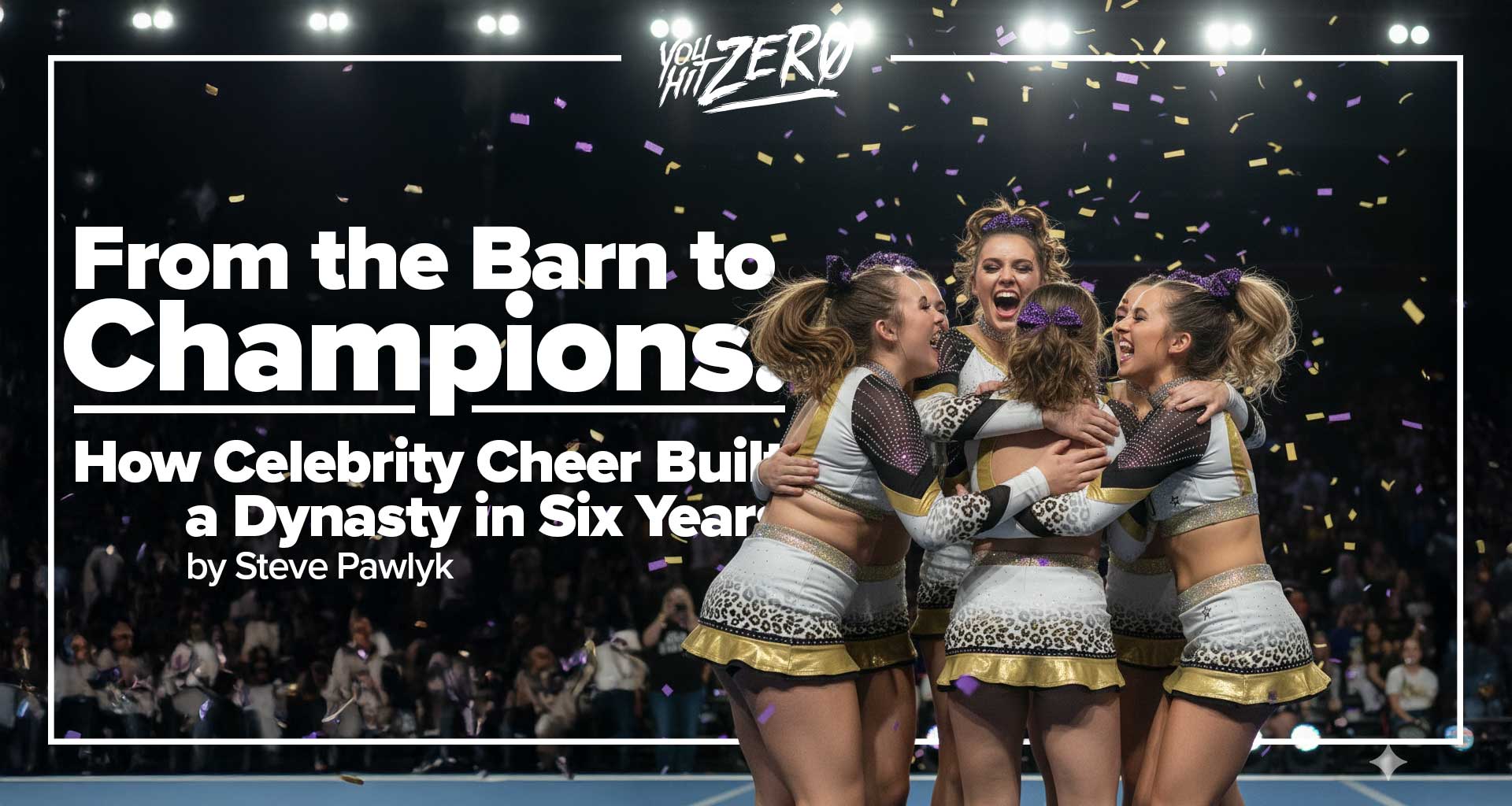
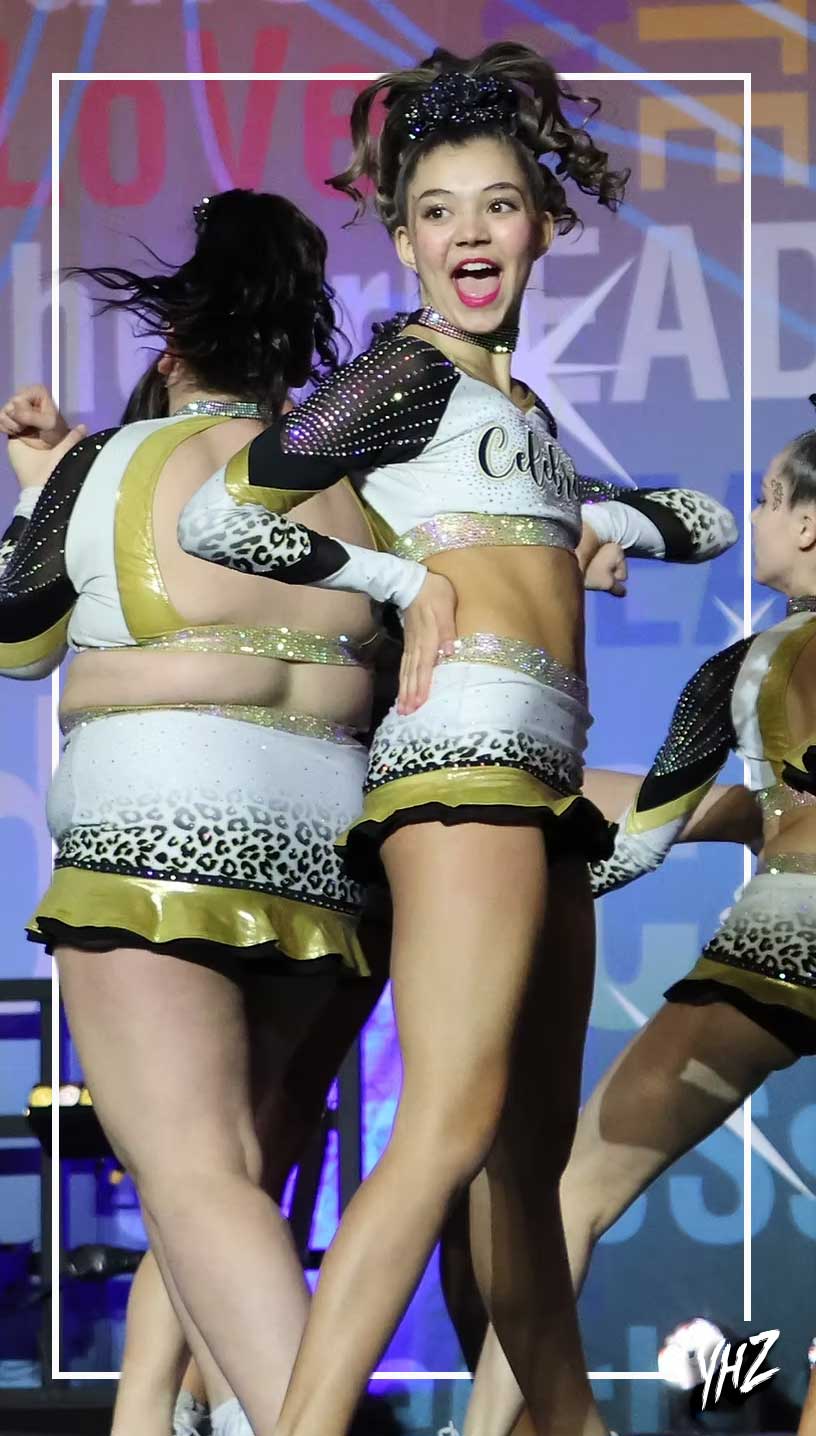
Fast forward to 2025. Celebrity Cheer is now an NCA, CHEERSPORT, and Summit champion. They’re running 11 teams spanning ages 3 to 18, from beginner rec through elite level 5. And they did all of this in six years.
Sooo…the question is….How? How did they do this?
Let’s run it out.
The Maryland Twisters Blueprint
Here’s the thing about Amber and Bethany: they weren’t just randos that decided to open a gym. They came up through Maryland Twisters Black Ice, one of the most respected programs in the country. They saw how elite gyms operate from the inside.
That experience is everything. They knew what championship culture looked like before they tried to build it.
When you’ve lived in a program that produces consistent excellence, you internalize things you don’t even realize: How practices should flow. What kind of corrections elite athletes respond to. The difference between working hard and working smart. The importance of small details that separate good routines from winning routines.
But here’s what’s interesting. They didn’t try to be Maryland Twisters. They built something different, something that worked for their community and their vision.
Starting in a Barn (Yes, Actually a Barn)
The barn-turned-wedding-venue detail isn’t just a cute origin story. It’s actually the most important part.
Because when you start with one mat in a barn during COVID, you can’t hide behind fancy facilities or equipment. You either have solid coaching fundamentals or you don’t. You either create real culture or you don’t. You either develop athletes properly or you don’t.
Think about it: No parents were joining Celebrity Cheer in 2020 because of their IG-worthy facility or their trophy case. They joined because they believed in Amber and Bethany as coaches.
That’s a completely different foundation than gyms that start with investor money, huge facilities, and big marketing budgets. Celebrity Cheer had to prove they could coach before they could prove anything else.
The “Home-Grown” Philosophy
Here’s where it gets really instructive for anybody building a program.
Celebrity Cheer’s success isn’t built on recruiting superstars from other gyms. It’s built on taking young athletes (sometimes starting at age 3) and developing them all the way through to elite levels.
Why does this matter?
First, it’s sustainable. You’re not constantly losing athletes to poaching. You’re not dealing with drama about kids switching gyms every season. You build loyalty because families see their kids grow up in your program.
Second, it creates unified technique. When athletes learn your system from the beginning, you don’t spend years breaking bad habits they picked up elsewhere. Your level 1 athletes are learning the same progressions that your level 5 athletes mastered. Everything connects.
Third, it proves your coaching works. Anyone can assemble a team of talent. Building that talent from scratch? That’s the real flex.

From 1 Team to 11 Teams: Strategic Growth
Let’s talk about how they scaled, because this is where most gyms screw up.
Celebrity Cheer didn’t go from a barn to 11 teams overnight. They grew strategically, adding teams as they had the coaching capacity and facility space to maintain quality.
This is crucial: They chose quality over quantity at every decision point.
Too many gym owners see dollar signs and expand faster than their coaching staff can handle. You end up with teams that don’t get enough attention, parents who feel ignored, and a reputation for being “the big gym where my kid is just a number.”
Celebrity Cheer did the opposite. They made sure each team had proper coaching ratios, adequate practice time, and the resources needed to succeed. Only then did they add another team.
The result? Eleven teams that are all well-coached, not eleven teams where only the top one or two get real attention.
What You Can Steal from Their Playbook
Okay, practical coaching wisdom time. Here’s what we can learn:
1. Your credentials matter less than your coaching ability. Amber and Bethany’s Maryland Twisters background gave them credibility, but the barn situation stripped away any ability to coast on reputation. They had to deliver results. Focus on becoming an excellent technical coach, not just collecting certifications.
2. Culture eats facilities for breakfast. Parents will drive past nicer gyms to bring their kids to coaches who genuinely care and produce results. Invest in your coaching skills and team culture before you invest in fancy equipment.
3. The “home-grown athlete” model is underrated. Stop obsessing over recruiting. Start obsessing over developing the athletes already in front of you. Build progressions that turn your tiny novices into your senior elite athletes five years later.
4. Growth should serve quality, not replace it. Before you add a team, ask: Do we have the coaching staff to do this right? Do we have the facility time? Can we maintain the same standard we’ve set? If the answer is no, wait.
5. Your background informs your system, but shouldn’t limit it. Amber and Bethany learned from Maryland Twisters but built Celebrity Cheer to fit their community and vision. Respect where you learned, but don’t be afraid to do things differently.

The Six-Year Timeline Reality Check
Can you really go from a barn to national championships in six years?
Celebrity Cheer has proven you can. But let’s be honest about what that requires:
- Elite coaching knowledge from day one. They didn’t figure out coaching while building the gym. They already knew how to coach at a high level.
- Smart growth decisions. They didn’t try to do everything immediately.
- A clear development pipeline. They built progressions that worked from tiny novice through senior elite.
- Consistent execution. Six years of showing up every single day and doing the work.
This isn’t a “start a gym with no experience and win championships next year” story. This is a “bring real coaching expertise, make smart decisions, and execute consistently for six years” story.
But here’s the encouraging part: 6 years is actually pretty fast. Most dynasty programs take a decade or more to reach national championship levels. Celebrity Cheer compressed that timeline by doing a lot of things right from the jump.
The Barn Probably Helped, Actually
Here’s my somewhat contrarian take: Starting in that barn might have been an advantage.
When you have limited resources, you become resourceful. When you can’t rely on fancy facilities to attract families, you build real relationships. When you have one mat, you get really creative about maximizing every minute of practice time.
Some of the worst-coached teams I’ve seen come from gyms with the most impressive facilities. Because the facility becomes the product instead of the coaching.
Celebrity Cheer never had that luxury. The coaching had to be the product from day one.
What This Means for You
Whether you’re starting a new program, rebuilding one, or trying to take your established gym to the next level, Celebrity Cheer’s story offers a blueprint:
Start with real coaching expertise. If you don’t have it yet, go get it. Work under coaches who know what they’re doing. Learn the technical progressions inside and out.
Build culture before you build empire. Get one team right before you add ten teams.
Develop your athletes instead of constantly recruiting. Create a system that takes beginners and turns them into champions over multiple years.
Grow strategically, not desperately. Only expand when you can maintain quality.
Remember that championships come from coaching, not facilities. The barn was temporary. The coaching knowledge was permanent.
And maybe most importantly:
Trust the process. Six years feels like forever when you’re in it. But looking back, it’s a remarkably fast trajectory from barn to dynasty.
So if you’re coaching in less-than-ideal circumstances right now. Maybe your practice space isn’t great, maybe you don’t have a huge budget, maybe you’re starting from scratch. Remember, Amber and Bethany standing in that barn in 2020 with one mat and a vision.
They built a championship program from that.
And you could too.

IPP's Premade Mixes are USA Cheer Compliant and customizable! Add Sound FX, swap songs, & more! Add your Team Name to the mix for only $10!




 Cheer Mixes
 Past-Season Mixes (50% off!)
 You Hit Zero Cheer Blog
 Spotify Playlists
 Quick Quote Video Tutorial