Tag Archives: HBCU cheerleading

The College Cheer Boom: New Opportunities for High-School Programs

The College Cheer Boom New Opportunities for High School Programs

By Steve Pawlyk

Published November 5, 2025

Across the US, more colleges are expanding or relaunching competitive cheer programs. St. Philip’s College just introduced a stomp-and-shake squad that celebrates HBCU culture, and the University of the Pacific, is now rebuilding its cheer presence after years away. These moves mark a cultural and competitive shift: the college cheer landscape is diversifying, and that means every high-school and all-star coach needs to rethink how they’re preparing athletes for what’s next.
college cheer expansion 2025

Stomp and Shake Goes Mainstream

At St. Philip’s College, Coach Zenobia Tucker is introducing Texas audiences to a rhythmic, chant-driven, dance-heavy style historically rooted in HBCUs. It’s energetic, expressive, and unapologetically cultural-a far cry from the rigid precision of traditional competitive cheer. As more colleges adopt unique styles, recruiters are valuing individuality, showmanship, and rhythm just as much as raw difficulty.

Why it matters for feeder programs

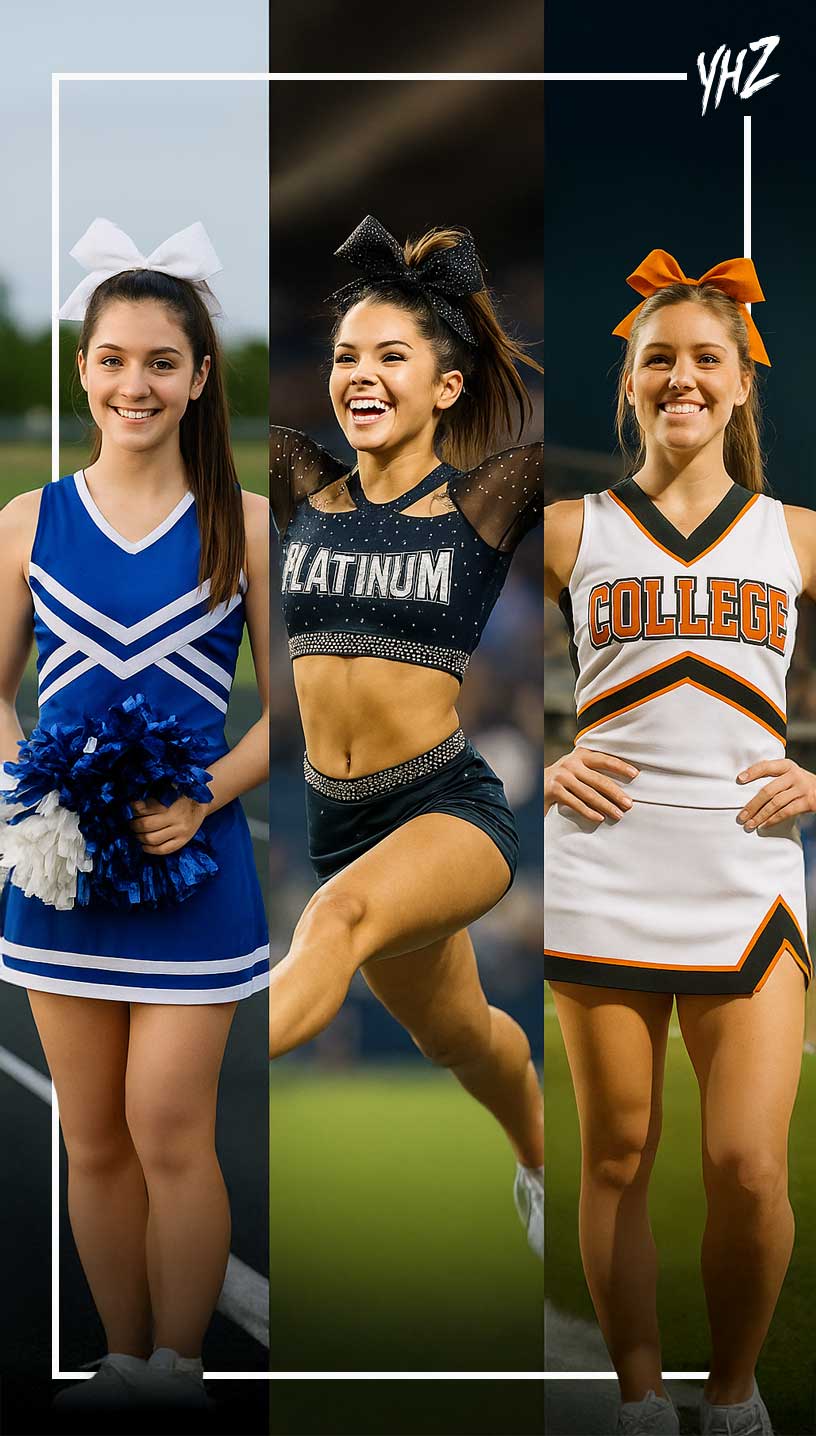
High-school and all-star programs that expose athletes to multiple cheer “dialects”-traditional, game-day, stomp-and-shake, STUNT-will produce more adaptable, recruitable talent. Versatility is the new differentiator.

The University Reboot Trend

The University of the Pacific’s decision to relaunch its squads mirrors a national wave of collegiate re-investment. Programs once considered “sideline only” are now aligning with varsity athletics, offering scholarships, and competing nationally. For high-school coaches, this translates into new pipelines, scholarship opportunities, and higher stakes for athlete readiness.

Need Competition Music Blue 1
3 Drills to Prep Athletes for College Cheer Tryouts
3 Drills to Prep Athletes for College Cheer Tryouts mobile

1. Style-Switch Routines

Goal: Train adaptability.
Have athletes perform a 45-second routine twice – first in traditional all-star style (tight motions, sharp lines, classic facials), then immediately in stomp-and-shake format (rhythmic, grounded, call-and-response energy).

Coaching cue: Focus on body control and facial engagement. College recruiters love athletes who can switch tempo and tone seamlessly.

2. Game-Day Command Challenge

Goal: Develop leadership and projection.
Run a “crowd-call gauntlet.” Each athlete must step to center mat and deliver a 15-second game-day call using full voice, clear diction, and eye contact – then lead a quick sideline sequence.

Coaching cue: Evaluate vocal power, presence, and clarity. College squads, especially those in HBCU or STUNT programs, value commanding communicators as much as tumblers.

3. Athlete-to-Coach Drill

Goal: Build teaching and teamwork skills.
Pair athletes and have each teach the other a short 8-count motion or jump combo. The “coach” must cue safely, correct form, and give feedback in under two minutes.

Coaching cue: This mimics the peer-teaching dynamic found in college programs and shows who can communicate technically under pressure.

Cheer Readiness Checklist

What High-School and All-Star Coaches Should Do Now

1. Treat cheer like a career pipeline

Build relationships with nearby college coaches. Encourage your juniors and seniors to attend collegiate combines or open practices. Maintain updated highlight reels-colleges now scout via Instagram and YouTube as often as in-person events.

2. Cross-train for multiple cheer styles

Mix in stomp-and-shake elements or game-day chant blocks during off-season practices. Athletes who can adapt their style to fit different collegiate cultures stand out immediately in tryouts.

3. Focus on communication and leadership skills

College programs prioritize athletes who can lead, teach, and engage crowds-not just throw elite skills. Assign captains to run warm-ups, mentor younger athletes, and manage social-media content responsibly.

4. Educate parents on the new recruiting landscape

Scholarships now appear at a wider range of schools, from D-II programs to community colleges like St. Philip’s. Host a “college cheer night” each spring where families can explore new programs, financial-aid paths, and travel expectations.

5. Track academic alignment

As more cheer teams earn varsity or club-sport recognition, GPA and credit load requirements are tightening. Help your athletes stay academically eligible early.
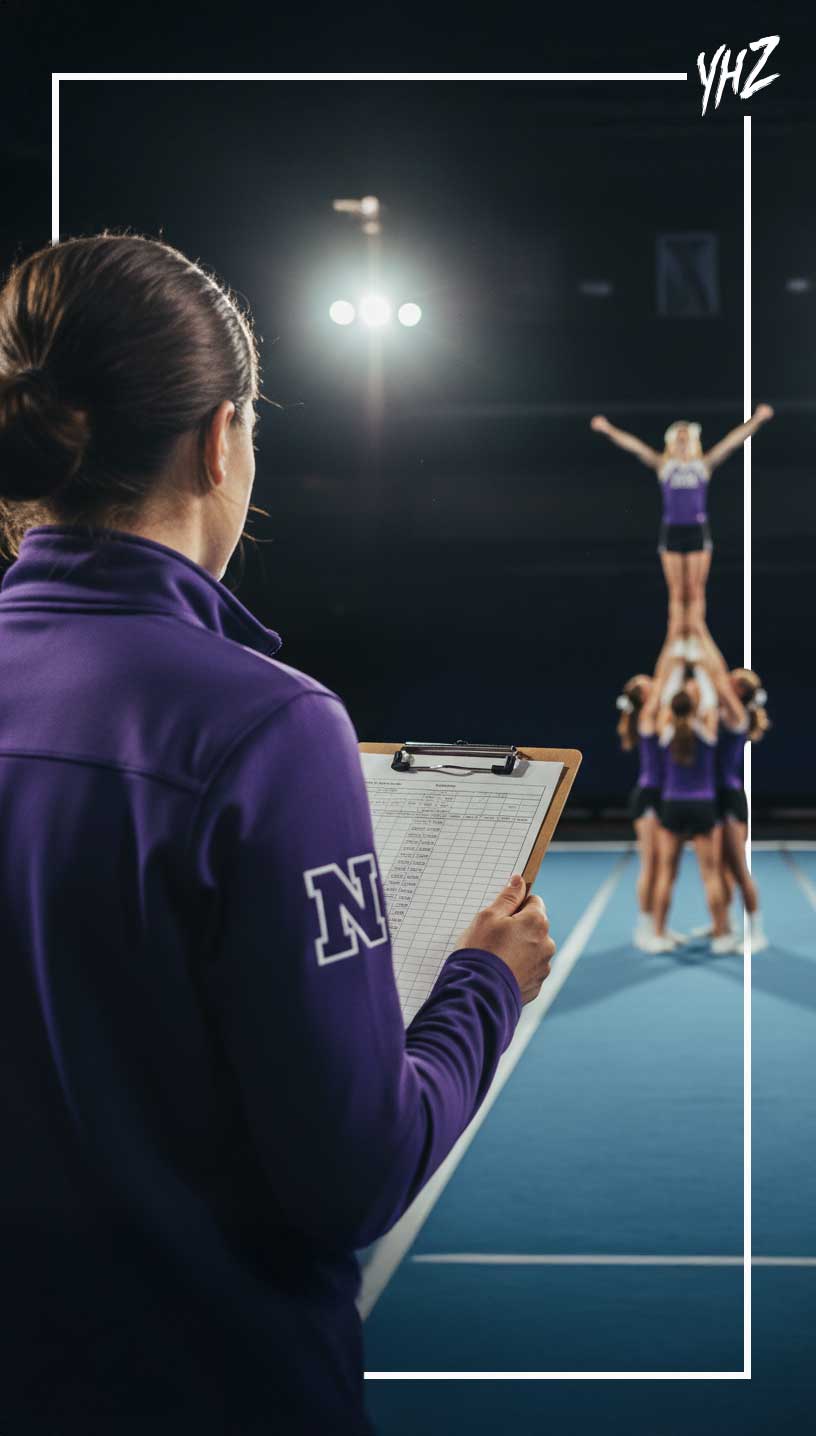
cheer recruiting tips

A Broader, More Inclusive Future

The expansion of competitive cheer isn’t just about more teams-it’s about more voices. HBCU-style programs like St. Philip’s introduce cultural diversity and expression that’s long overdue in collegiate cheer. This shift also challenges high-school coaches to broaden their athletes’ experiences: not every great cheerleader fits one mold, one uniform, or one choreography style.

The best feeder programs in 2025 will be those that teach adaptability-technical mastery with cultural fluency. The future of college cheer looks more inclusive, more athletic, and more expressive than ever.

Steve Pawlyk Signature Full

IPP's Premade Mixes are USA Cheer Compliant and customizable!  Add Sound FX, swap songs, & more!  Add your Team Name to the mix for only $10! 

SLAM artwork
Full_Out_130 mp3 image
1 minute cheer mix
WAKE UP THE FIRE
SLAM artwork
WAKE UP THE FIRE
Full_Out_130 mp3 image
1 minute cheer mix

Is Cheerleading a White Sport? Let’s Debunk the Myth

Is-Cheerleading-a-White-Sport

By Steve Pawlyk

Published September 2, 2023

A commonly asked question on Google that’s pretty critical for the future of the sport we love so much: “Is cheerleading a white sport?” The short answer? A resounding NO. Today we’re diving deep into this topic to break down the myth once and for all. If you’re a young Black girl who’s interested in cheerleading but hesitant due to this misconception, this one’s for you.

A Little History: The Untold Diversity of Cheerleading

When we think about the origins of cheerleading, it’s easy to fall into the trap of assuming that it started as a primarily white sport. While it’s true that cheerleading was initially a male-dominated activity originating at Ivy League colleges like Princeton and Harvard in the late 19th century, its evolution tells a much broader, more diverse story.

Breaking Stereotypes and Boundaries

As cheerleading moved into the spotlight, especially with the onset of competitive cheerleading, it began to attract a more diverse group of athletes. Athletes of all backgrounds, including Black athletes, contributed to taking cheerleading from the sidelines to becoming a competitive event aired on ESPN and other sports networks. These athletes broke stereotypes and boundaries, proving that cheerleading wasn’t confined to any particular demographic.

Representation Matters

Over the years, representation has increased in collegiate cheerleading programs and in professional cheerleading leagues. Black athletes have not only joined the ranks but have often been the stars and standout performers, adding innovative moves, a rich cultural element, and unparalleled athleticism to routines. There have also been more opportunities for Black cheerleaders to step into coaching and administrative roles, further diversifying the leadership within the sport.

Influence of HBCUs

Historically Black Colleges and Universities (HBCUs) have played a significant role in promoting diversity within cheerleading. They have done so by developing strong cheer programs that provide training, scholarships, and opportunities for Black athletes to excel in the sport. Their contribution was recently highlighted when Texas Southern University’s cheer team became the first HBCU to win a title at the National Cheerleaders Association (NCA) College National Championship.

Media and Pop Culture

Movies, documentaries, and series like ‘Bring It!’ and ‘Cheer’ have showcased the diversity within cheerleading, dismantling the myth that it’s a ‘white sport.’ These productions have shown audiences nationwide the level of commitment, skill, and diversity present in modern cheerleading.

So, when we ask, “Is cheerleading a white sport?”, obviously it’s complicated. But the sport is as multifaceted and diverse as the athletes who participate in it, continually evolving to break barriers and redefine what it means to be a cheerleader.  Below is a list of some incredible all-Black cheer programs that are not only dominating the cheer world but also redefining it.

Oklahoma’s Impact Extreme: Making History

Let’s start with Impact Xtreme Cheer, an Oklahoma City-based nonprofit youth cheerleading squad. Last year, this fabulous group became the first African American cheer team to win a High School NCAA National Championship.  Check out their Facebook page here

Hot Topic All Stars: Where Athletes Turn into Stars

In Northern Virginia, the Hot Topic All Stars have been forming future stars since 2006. Their program is designed to boost confidence and create a sense of family among its members. Visit them here.

Crimson Heat All Stars: Two Decades of Excellence

For over 20 years, Crimson Heat All Stars in Upper Marlboro, MD, has been teaching athletes of all skill levels, promoting fun and character-building activities. Learn more about them here.

Texas Southern University: A Trailblazing Team

Most recently, the Texas Southern University Spirit Program became the first HBCU to claim a title at the National Cheerleaders Association (NCA) College National Championship in 2023. This all-Black team is making waves and breaking barriers! Check out their website here

Chicago Storm All-Stars: A Force to Be Reckoned With

The Chicago Storm All-Stars are another example of Black excellence in cheerleading. Competing at all levels from 1-5, they even have a Tiny Thunder team for our youngest cheerleaders aged 3-5. Check out their details here.

Technique Gems: More Than Just Cheerleading

Located in Chicago, Technique Gems offers much more than cheerleading; they offer a safe haven for children to express themselves creatively. Their mission is rich in mentoring and focuses on building self-esteem and self-respect. Check out their website here

Genesis Cheer Xtreme: A Community Staple

Genesis Cheer Xtreme prides itself on teaching teamwork, discipline, and hard work. Established in 2016, they’ve quickly become a community staple. Visit their website for more information.

Need Competition Music Blue 1

Iconic Cheer Elite: Brooklyn’s Finest

Based in Brooklyn, New York, Iconic Cheer Elite aims to create productive members of society through the power of cheerleading. To get a sense of their awesome work, head over to their website.

Totally Awesome Cheer: A Life-Changing Program

This North Texas-based gym focuses not just on athletics but also on life skills like friendship, teamwork, and time management. Check out their website for more info.

The Cheer Hive: A Family Place

Although we’re not 100% certain this program is still running, The Cheer Hive has made a name for itself as a wonderful family place for young athletes. Visit their Facebook page to see their latest updates.

So, is cheerleading a white sport? Absolutely not. The landscape of cheerleading is as diverse as the athletes who participate in it. If you’re a young Black girl who loves cheer but has hesitated because of this misconception, we hope this article serves as your green light to go for it.

Whether you’re in Oklahoma, Chicago, New York, or anywhere else, there’s likely a program near you that will welcome you with open arms. So, what are you waiting for? Go ahead and make that jump into the incredible world of cheer.

Steve Pawlyk Signature Full

IPP's Premade Mixes are USA Cheer Compliant and customizable!  Add Sound FX, swap songs, & more!  Add your Team Name to the mix for only $10! 
SLAM artwork
Full_Out_130 mp3 image
1 minute cheer mix
WAKE UP THE FIRE
SLAM artwork
WAKE UP THE FIRE
Full_Out_130 mp3 image
1 minute cheer mix
SHARE YOUR CART