Tag Archives: high school cheer coaching

The College Cheer Boom: New Opportunities for High-School Programs

The College Cheer Boom New Opportunities for High School Programs

By Steve Pawlyk

Published November 5, 2025

Across the US, more colleges are expanding or relaunching competitive cheer programs. St. Philip’s College just introduced a stomp-and-shake squad that celebrates HBCU culture, and the University of the Pacific, is now rebuilding its cheer presence after years away. These moves mark a cultural and competitive shift: the college cheer landscape is diversifying, and that means every high-school and all-star coach needs to rethink how they’re preparing athletes for what’s next.

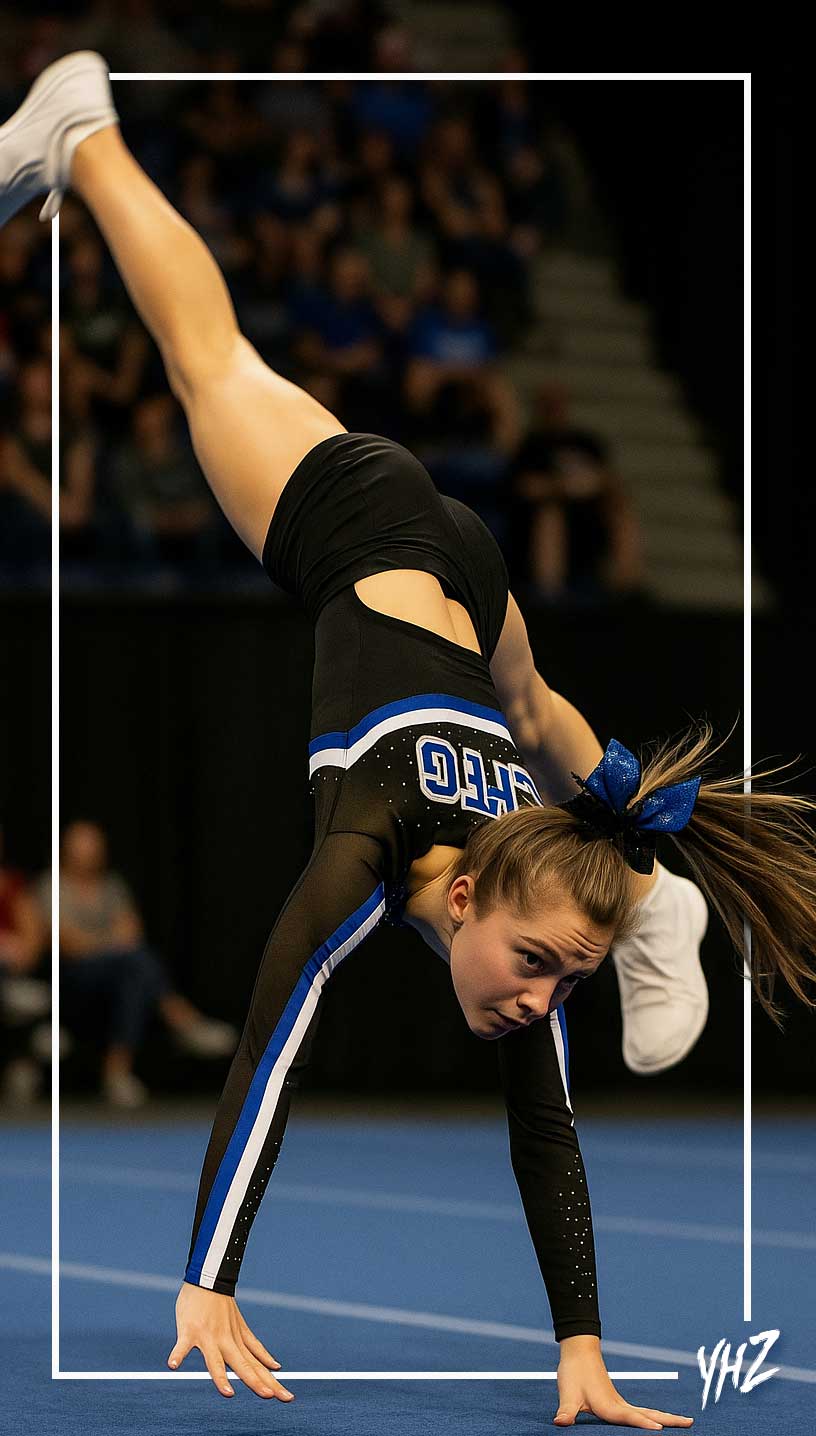
college cheer expansion 2025

Stomp and Shake Goes Mainstream

At St. Philip’s College, Coach Zenobia Tucker is introducing Texas audiences to a rhythmic, chant-driven, dance-heavy style historically rooted in HBCUs. It’s energetic, expressive, and unapologetically cultural-a far cry from the rigid precision of traditional competitive cheer. As more colleges adopt unique styles, recruiters are valuing individuality, showmanship, and rhythm just as much as raw difficulty.

Why it matters for feeder programs

High-school and all-star programs that expose athletes to multiple cheer “dialects”-traditional, game-day, stomp-and-shake, STUNT-will produce more adaptable, recruitable talent. Versatility is the new differentiator.

The University Reboot Trend

The University of the Pacific’s decision to relaunch its squads mirrors a national wave of collegiate re-investment. Programs once considered “sideline only” are now aligning with varsity athletics, offering scholarships, and competing nationally. For high-school coaches, this translates into new pipelines, scholarship opportunities, and higher stakes for athlete readiness.

Need Competition Music Blue 1
3 Drills to Prep Athletes for College Cheer Tryouts
3 Drills to Prep Athletes for College Cheer Tryouts mobile

1. Style-Switch Routines

Goal: Train adaptability.
Have athletes perform a 45-second routine twice – first in traditional all-star style (tight motions, sharp lines, classic facials), then immediately in stomp-and-shake format (rhythmic, grounded, call-and-response energy).

Coaching cue: Focus on body control and facial engagement. College recruiters love athletes who can switch tempo and tone seamlessly.

2. Game-Day Command Challenge

Goal: Develop leadership and projection.
Run a “crowd-call gauntlet.” Each athlete must step to center mat and deliver a 15-second game-day call using full voice, clear diction, and eye contact – then lead a quick sideline sequence.

Coaching cue: Evaluate vocal power, presence, and clarity. College squads, especially those in HBCU or STUNT programs, value commanding communicators as much as tumblers.

3. Athlete-to-Coach Drill

Goal: Build teaching and teamwork skills.
Pair athletes and have each teach the other a short 8-count motion or jump combo. The “coach” must cue safely, correct form, and give feedback in under two minutes.

Coaching cue: This mimics the peer-teaching dynamic found in college programs and shows who can communicate technically under pressure.

Cheer Readiness Checklist

What High-School and All-Star Coaches Should Do Now

1. Treat cheer like a career pipeline

Build relationships with nearby college coaches. Encourage your juniors and seniors to attend collegiate combines or open practices. Maintain updated highlight reels-colleges now scout via Instagram and YouTube as often as in-person events.

2. Cross-train for multiple cheer styles

Mix in stomp-and-shake elements or game-day chant blocks during off-season practices. Athletes who can adapt their style to fit different collegiate cultures stand out immediately in tryouts.

3. Focus on communication and leadership skills

College programs prioritize athletes who can lead, teach, and engage crowds-not just throw elite skills. Assign captains to run warm-ups, mentor younger athletes, and manage social-media content responsibly.

4. Educate parents on the new recruiting landscape

Scholarships now appear at a wider range of schools, from D-II programs to community colleges like St. Philip’s. Host a “college cheer night” each spring where families can explore new programs, financial-aid paths, and travel expectations.

5. Track academic alignment

As more cheer teams earn varsity or club-sport recognition, GPA and credit load requirements are tightening. Help your athletes stay academically eligible early.
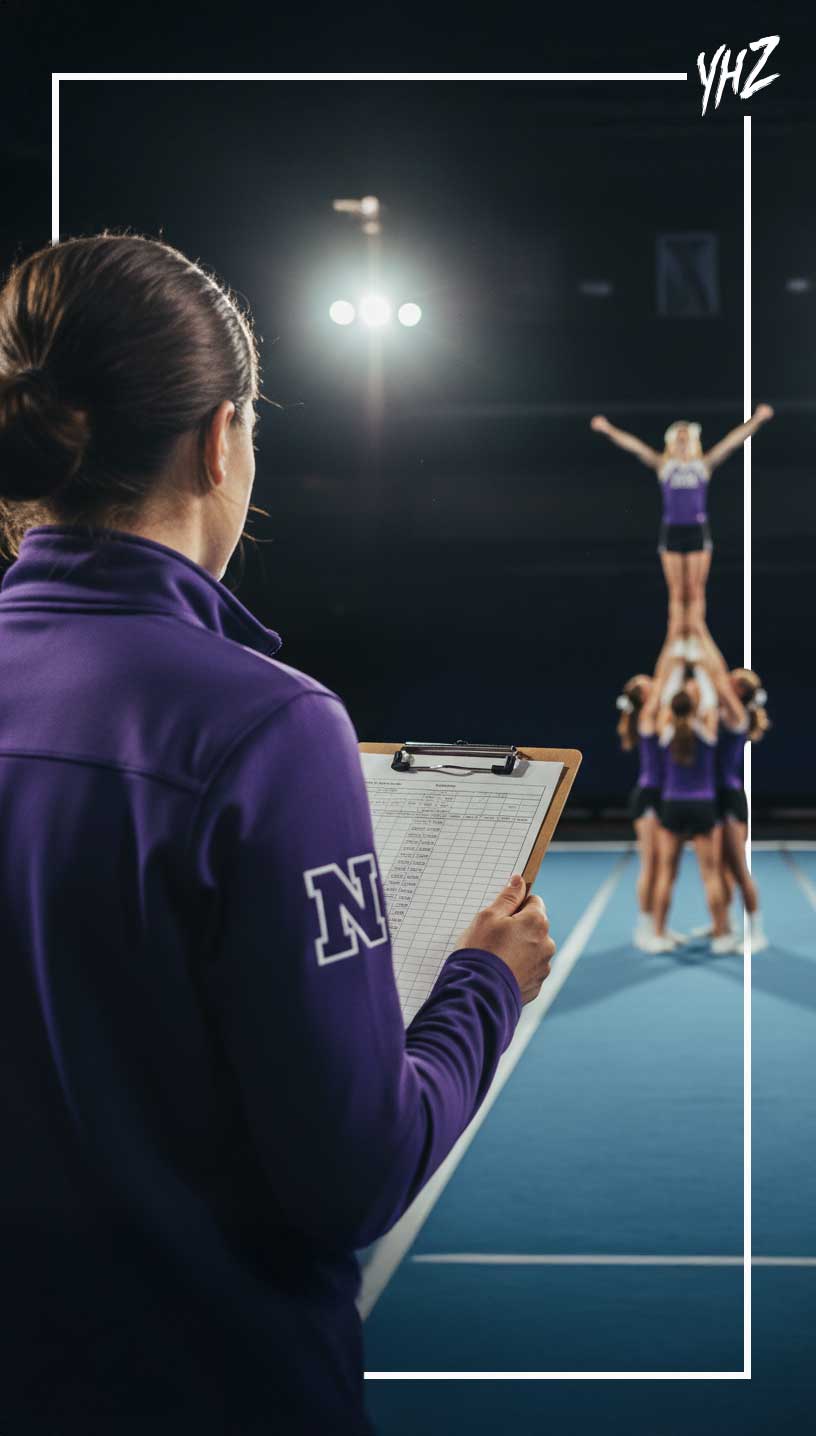
cheer recruiting tips

A Broader, More Inclusive Future

The expansion of competitive cheer isn’t just about more teams-it’s about more voices. HBCU-style programs like St. Philip’s introduce cultural diversity and expression that’s long overdue in collegiate cheer. This shift also challenges high-school coaches to broaden their athletes’ experiences: not every great cheerleader fits one mold, one uniform, or one choreography style.

The best feeder programs in 2025 will be those that teach adaptability-technical mastery with cultural fluency. The future of college cheer looks more inclusive, more athletic, and more expressive than ever.

Steve Pawlyk Signature Full

IPP's Premade Mixes are USA Cheer Compliant and customizable!  Add Sound FX, swap songs, & more!  Add your Team Name to the mix for only $10! 

SLAM artwork
Full_Out_130 mp3 image
1 minute cheer mix
WAKE UP THE FIRE
SLAM artwork
WAKE UP THE FIRE
Full_Out_130 mp3 image
1 minute cheer mix

First-Year Cheer Coach Survival Guide: Navigating Your Inaugural Season

First Year Cheer Coach Survival Guide

By Steve Pawlyk

Published May 30, 2025

First, Welcome to the Family!

Stepping into your first season as a cheer coach is exciting – and a little daunting. You’re not just teaching motions and stunts; you’re becoming a mentor, leader, and role model. This guide will help you survive and thrive in your inaugural year by covering three critical areas: building your confidence, establishing your authority, and fostering a supportive, effective coaching style. Along the way, we’ll share insights and quotes from well-known, successful cheer coaches at the high school, all-star, and college levels to illustrate what works. Remember, even the most decorated coaches had a “first year” – with the right mindset and strategies (and a few real-world examples), you can set the foundation for a rewarding coaching career.

1. Building Confidence as a New Coach

Own your role from Day One. Confidence isn’t about knowing everything – it’s about believing in yourself and your ability to learn and lead. Legendary Navarro College coach Monica Aldama emphasizes the importance of composure: no matter how nervous you feel inside, project calm confidence to your team.

I definitely have always told myself no matter what I’m feeling inside, I can’t let the team know… if they see me looking terrified or scared… all that work that we’ve done could go down the drain… I know they’re looking to me as their leader, and how I’m feeling is going to radiate out into them”.

In short, your emotions are contagious. A first-year coach who appears confident and positive will instill the same belief in the athletes.

Scenario: Imagine it’s the first practice and you’re running a complex stunt sequence. Inside, your stomach is doing flips of its own. One stunt group struggles and all eyes turn to you. Instead of panicking, you take a deep breath, smile, and break down the problem step-by-step. The team sees your steady demeanor and dives back in with renewed confidence. By practice end, the stunt hits – and your athletes learned that you won’t flinch under pressure.


Practical confidence-builders:

  • Prepare and plan: Walk into practice with a detailed plan. Preparation breeds confidence. If you know what you want to accomplish each day (from stretching, to drills, to full-outs), you’ll spend less time second-guessing and more time coaching.
  • Leverage your strengths and experience: Whether you were a collegiate cheerleader or a studio dancer, draw on what you know. “One of the biggest differences between my mom and I as coaches is that I have cheered and competed at the highest level… I think this allows me to be more black and white at times,” says University of Mississippi’s head coach, Ryan O’Connor. If you can still demonstrate a motion or flip, do it! Showing expertise (or even sharing stories of past challenges you overcame) earns respect and reassures you do know what you’re talking about.
  • Find a mentor and network: Don’t hesitate to reach out to other coaches for advice. Many veteran coaches remember their first-year struggles and are happy to help. “The more contacts you can make as a coach, the better. We can’t do this alone and most coaches are always happy to help!”. Watching experienced coaches or having an industry mentor gives you a safety net and a sounding board, boosting your confidence when facing new situations.
  • Adopt a growth mindset: Confidence for a new coach also means being okay with learning on the job. There will be days when a pep talk falls flat or a formation tweak doesn’t work – that’s normal. Take it from successful coaches who view setbacks as lessons. Monica Aldama, after a rare defeat, allows herself a short pity party then gets back to work: “I allowed myself to be sad… and as soon as I felt like I had, I was like, Okay, now we’re ready to go… you can’t ever stay in that moment”. Treat each challenge as a chance to improve.

By investing in preparation, projecting assurance, and embracing continuous learning, you’ll gradually turn that “imposter syndrome” into hard-earned confidence. And as your self-belief grows, so will your team’s trust in you.

Need Competition Music Blue 1

2. Establishing Authority and Earning Respect

Being a new coach often means walking a fine line – you want your team to like you, but you also need them to listen to you. Authority isn’t about being authoritarian; it’s about consistent leadership and respect. Monica Aldama describes it well: “I try to be very consistent so they know that when I’m serious, I’m serious, and that I do have rules and I expect them to follow them. But at the same time, I want them to know that they can come talk to me and that I am going to be empathetic.” In other words, set clear expectations early – and enforce them fairly – so athletes understand your standards. When you say practice starts at 5:00, start at 5:00. When you outline a code of conduct, follow through with appropriate consequences. Consistency shows you mean what you say, which earns respect over time.

Scenario: A few weeks into the season, you notice some of your athletes arriving late or giggling while you’re giving instructions. As a new, young coach, you worry about coming off too strict – but you also know this can’t slide. In the next team meeting, you calmly restate the attendance rule from your handbook and why it matters (“We can’t improve if we don’t all commit to being here on time”). You also pull aside the giggling group after practice, not to scold, but to let them know you value their energy – just not during important explanations. The result? The team refocuses, and even those initially testing boundaries realize you’re serious but fair.


Tips for establishing your authority:

  • Start with structure: In your first team meeting or parent meeting, outline how you will run the program. Discuss team rules, practice schedules, communication channels, and your coaching philosophy. A clear structure from day one signals that you’re organized and professional. According to Varsity’s new coach guide, “The key to a successful year is communication!” – be proactive in explaining your vision and expectations. It’s easier to be seen as an authority if everyone knows the playbook.
  • Be firm, not frazzled: Issues will arise – an athlete talks back, a parent questions your choreography, or the squad has an off-day. Stay calm and address each issue with a level head. Veteran high school coach Donna Martin (who led Dunbar HS to multiple national titles) learned through experience to pick her battles and give second chances when appropriate. “I have a little more experience with all kinds of situations. I feel like I probably give kids more chances where Ryan (my daughter coaching college) is more strict. Of course, kids are younger in high school… some situations may be more on the parent than the child,” Donna notes. Her advice underscores that authority can be flexible based on context – younger athletes sometimes need guidance more than punishment. You can enforce rules and show understanding.
  • Earn respect through expertise and effort: Especially if you’re a young coach or stepping into big shoes, you might feel you have to prove yourself. Focus on what you bring to the table. Maybe you have superior tumbling knowledge, fresh choreography ideas, or simply an infectious passion. Pour that into your coaching. Athletes respect coaches who make them better. For example, all-star gyms often use creative drills and technique focus to build credibility. “Always work with drills before they try the actual skill… If they can’t do the drill, don’t do the skill!” Showing that you prioritize proper technique and safety over showing off will earn athlete (and parent) trust. When your team sees that your methods lead to progress – that stunt finally hits or their jumps height improve – your authority grows naturally.
  • Set the tone with team leaders: If you have senior athletes or captains, enlist them as allies. Have a private talk with them early on – communicate your goals and ask for their support in setting an example. Winning over veteran cheerleaders can make or break a first-year coach. They can either become your biggest advocates or your biggest hurdles. By respecting their experience and empowering them (perhaps letting a captain run warm-ups or lead a bonding activity), you show you’re confident enough not to rule with an iron fist. In turn, they’re more likely to back you up when you enforce rules, creating a culture of peer accountability.

Finally, remember that respect is a two-way street. Treat your athletes with respect – listen to their concerns, acknowledge their hard work – and they will return it. A new coach who is consistent, fair, and caring will quickly dispel any notions of being a push-over. As college coach Ryan O’Connor famously reminded her team, “You need to sacrifice for this team, or this team will be the sacrifice…”. By establishing a standard of dedication and mutual respect, you lay the groundwork for a unified squad that’s ready to follow your lead.

3. Fostering a Supportive and Effective Coaching Style

Great coaches aren’t just loud cheerleaders on the sidelines – they are mentors who develop athletes both as performers and as people. Especially in cheer, where trust and teamwork are paramount (think about the literal trust fall of a stunt!), you’ll want to cultivate a positive, supportive atmosphere. A winning first season is not defined solely by trophies, but by the foundation of team culture you build. As Cheer Athletics all-star coach John Davenport Knowles puts it: “Make sure you are passionate about kids and people… Being passionate about how to teach life lessons is the most important part.” In your coaching debut, focus on people first. The skills and clean routines will follow.

Scenario: Mid-season, one of your cheerleaders, “Alyssa,” who was normally full of energy, seems withdrawn and is struggling with her tumbling. Rather than write her off as lazy, you pull her aside after practice. She confides that academic stress and a sprained wrist have her feeling low. You adjust her role for the upcoming game to ease the tumbling load and pair her with a buddy for homework sessions. Over the next few weeks, Alyssa regains her confidence – not just because her wrist healed, but because she knows her coach cares about her well-being. The whole team notices the support, and a culture of looking out for one another grows.

How to build a supportive, effective coaching style:

  • Get to know each athlete personally: Building personal relationships is not a waste of time; it’s the bedrock of effective coaching. The head coach of the legendary Cheer Extreme emphasizes, “Every individual is different and therefore needs a mix of personalized and general training.” Take time to learn your team members’ personalities, what motivates them, and what might be happening in their lives. Who thrives under pressure? Who needs a confidence boost after a mistake? Showing you care about them beyond just hitting a stunt creates trust. Athletes who feel valued will go the extra mile for you and the team.
  • Be approachable and empathetic: A common mistake for first-year coaches is trying to be too strict or distant in order to establish authority. In reality, you can be both respected and approachable. Monica Aldama balances these roles as a “friend” and “boss” simultaneously: “It is a friendship, but at the same time, it’s a respectful friendship, where you know that I’m still the person that’s going to be bossing you around… You also find that they’re all different; some want you to be tough with them and then if you use that same approach on someone else, it’ll just tear them down. I really try to figure everyone out.” The takeaway? Adjust your coaching style to the individual. If one flyer responds well to tough love but another shuts down, you’ll get better results by tailoring your feedback. Being empathetic doesn’t mean lowering standards; it means you deliver critiques in a way each athlete can absorb. For instance, after a fall, one cheerleader might need a fiery “get up, you’ve got this!” while another might need a gentle “shake it off, I believe in you.”
  • Positive reinforcement goes a long way: “Celebrate small and big achievements” – Triple Threat KC. Shout-outs, high-fives, and celebrating small victories can transform your team’s mindset. A culture that “celebrates small and big achievements” fosters confidence and self-assurance in athletes. Something as simple as ending practice with each team member sharing one thing they’re proud of that day can keep morale high. When mistakes happen (and they will), correct them, but also point out what is improving. For example: “The pyramid dip was off-count, but I love the height you’re getting – we’ll fix the timing next practice.” This tells athletes you see their effort, not just their errors.
  • Team building and unity: A supportive team is a connected team. Plan activities that bond your athletes. It could be as involved as a weekend team retreat, or as simple as a goofy game at practice warm-ups. Many top coaches insist that a close team is a team that will have a successful season. When your athletes trust each other, they catch tighter and cheer louder. You can facilitate this by creating a “big sister/little sister” buddy system, doing occasional fun practices (like swapping routines with the dance team for a day), or having a tradition where team members anonymously exchange uplifting notes before competitions. These efforts might seem extra, but they pay off in athletes who feel supported like family. And when issues like cliques or bullying arise, address them immediately – make it clear that your team succeeds and fails together.

Above all, lead with compassion and positivity. Cheer Extreme founder Courtney Smith-Pope built one of the most successful all-star programs by treating athletes like family. When asked about this, Courtney said “We’ve helped a lot of kids… and have been able to have a positive influence on athletes to help them achieve their goals and dreams… Our biggest dream is to pass on the boundless love we got from our mom and dad onto the kids we have the honor to coach,” In your first year, set the tone that you are there to lift athletes up. When they feel safe and inspired, they will reach new heights – literally and figuratively – and you’ll be known as both an effective coach and a trusted mentor.

4. Thriving Through Challenges: Advice from the Legends

No matter how prepared you are, your inaugural season will have its challenges – maybe an unexpected injury, a routine that isn’t scoring as hoped, or just the fatigue of a long season. Survival as a first-year coach isn’t about avoiding problems; it’s about tackling them with resilience and perspective. Here are a few final nuggets of wisdom from coaching legends to help you keep pushing when the going gets tough:

•  Stay patient and problem-solve:

“You MUST have patience and understanding. Everything is attainable, and all problems are solvable,”New Fairfield Falcons, Head Coach

When faced with a setback, take a breath and remember that with time and effort, you can work through it. Champion coaches approach challenges logically – if a pyramid consistently fails, they break it down into pieces, fix grips or timing, and build it back up. Adopting a “problems are solvable” attitude will help your team stay calm and focused on solutions, not mistakes.

  • Keep the big picture in mind: Early in your coaching journey, it’s easy to get tunnel vision on the next competition or the current stunt sequence. Don’t forget why you (and your athletes) are here: love of the sport and personal growth. If you lose a competition, use it as a learning experience rather than a confidence killer. If you’re exhausted mid-season, remember that the influence you’re having on these young people goes beyond a trophy. As John Davenport Knowles reminded coaches, we’re teaching life lessons – things like teamwork, perseverance, and leadership that will stick with your athletes far longer than any trophy polish.
  • Persevere and strive for excellence: Set the tone that your team will work hard and finish strong, no matter what. Monica Aldama’s hallmark motto from Navarro College is a great mantra to share with your team: “You keep going until you get it right, and then you keep going until you can’t get it wrong.”This champion mindset – practice, refine, perfect – shows your athletes that excellence comes from dedication. It will inspire them and you to push through rough practices because the end goal is worth it. However, also balance that drive with knowing when to rest. Sometimes the best thing you can do during a stressful week is call a practice early and do a team ice cream social to rebuild spirits. A fresh, recharged team will outperform a burned-out one every time.
  • Celebrate the journey: Finally, take time to acknowledge small wins and memorable moments. Your first pep rally as a coach, the first time the team sticks a routine full-out, or even the first time a shy athlete finds her voice to lead a cheer – these are huge milestones. Successful coaches are passionate, but also grateful. As you navigate your first year, keep a journal or log of things that went well. You’ll be amazed at how these reflections build your confidence for year two. Plus, showing enthusiasm and gratitude rubs off on the team. As the Stingray All-Stars like to say, “Confidence is contagious,” and so is passion. If you demonstrate love for the sport and for your team, they will mirror it right back to you.

Embrace the Challenge, Embrace the Fun

Your inaugural season as a cheer coach will be a whirlwind of long practice nights, last-minute routine changes, and a whole lotta pride in your team. You will grow just as much as your athletes do. By building your confidence (and faking it when you must), asserting your authority with consistency and care, and cultivating a supportive team culture, you set yourself up not just to survive but to succeed.

There will be tough days – but remember, every Hall of Fame coach started out exactly where you are. Lean on the advice of those who’ve walked this road: be patient, communicate clearly, stay passionate, and never stop learning. As you navigate the ups and downs, keep your love for the sport and your team at the forefront. Do that, and your first year of coaching will be the start of something truly amazing – a legacy of leadership and spirit that will impact lives for years to come. Go into this season with confidence and heart – you’ve got this, Coach!

Steve Pawlyk Signature Full

IPP's Premade Mixes are USA Cheer Compliant and customizable!  Add Sound FX, swap songs, & more!  Add your Team Name to the mix for only $10! 

SLAM artwork
Full_Out_130 mp3 image
1 minute cheer mix
WAKE UP THE FIRE
SLAM artwork
WAKE UP THE FIRE
Full_Out_130 mp3 image
1 minute cheer mix
SHARE YOUR CART