
 •
• English
 日本語
日本語 Español
 Português
 Français
 Polski
 Deutsch
 Italiano
 Nederlands
 한국어
한국어 Русский
 简体中文
简体中文





Mar



By Steve Pawlyk
Published March 2, 2026
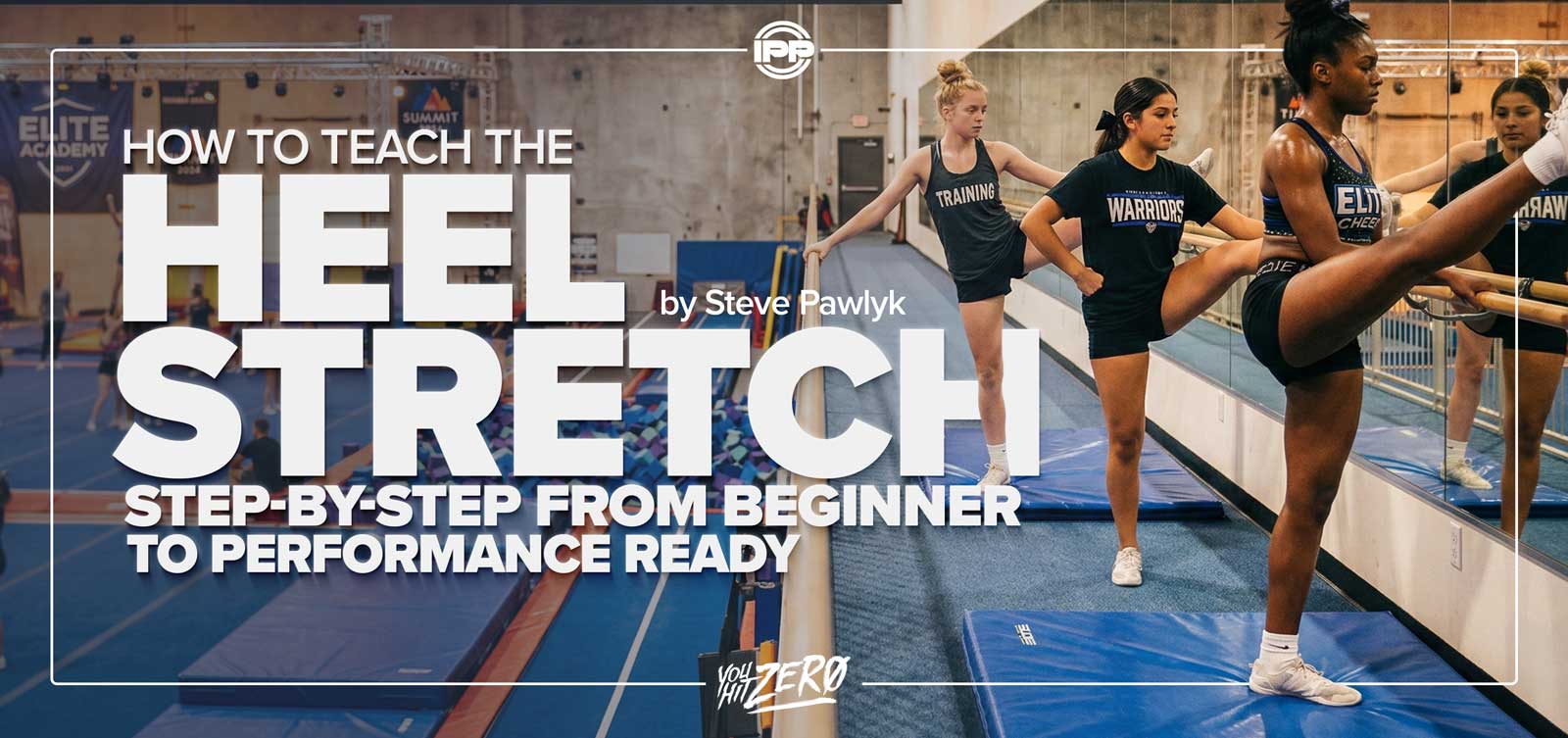
The Heel Stretch is one of the most recognizable flyer skills in competitive All-Star cheerleading — and one of the easiest to perform incorrectly. A clean Heel Stretch requires more than flexibility; it depends on balance, body awareness, and coordinated engagement through the core, back, and shoulders. Whether you’re coaching a first-time flyer or refining elite athletes, teaching this skill systematically helps prevent common issues like bent supporting legs, wobbly bases, and over-pulled extensions.
This guide walks you through a complete progression for teaching the Heel Stretch, including one-on-one coaching methods, small group practice structures, team integration, and drills for strength, balance, and flexibility.
Understanding the Mechanics of the Heel Stretch
Definition:
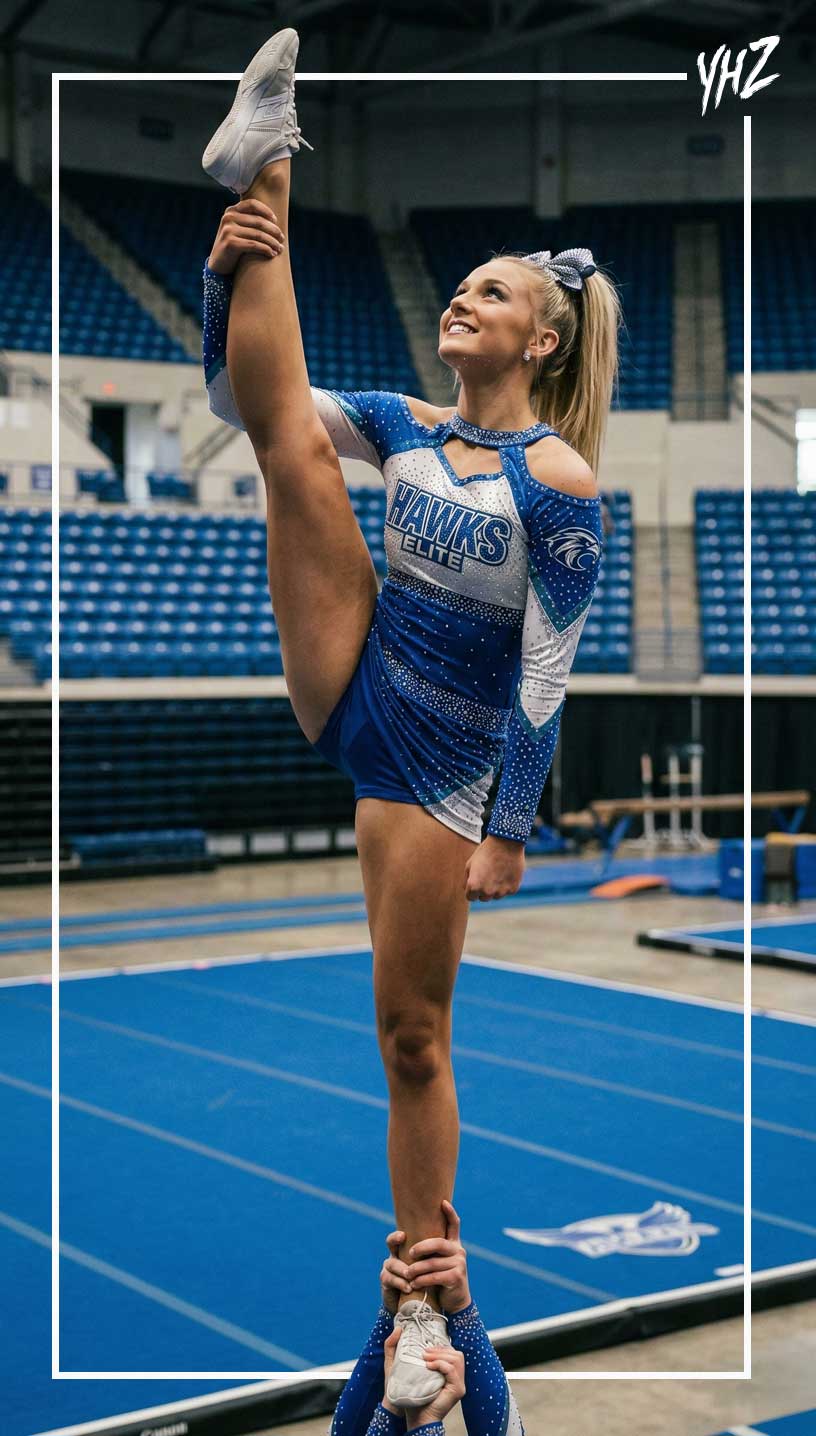
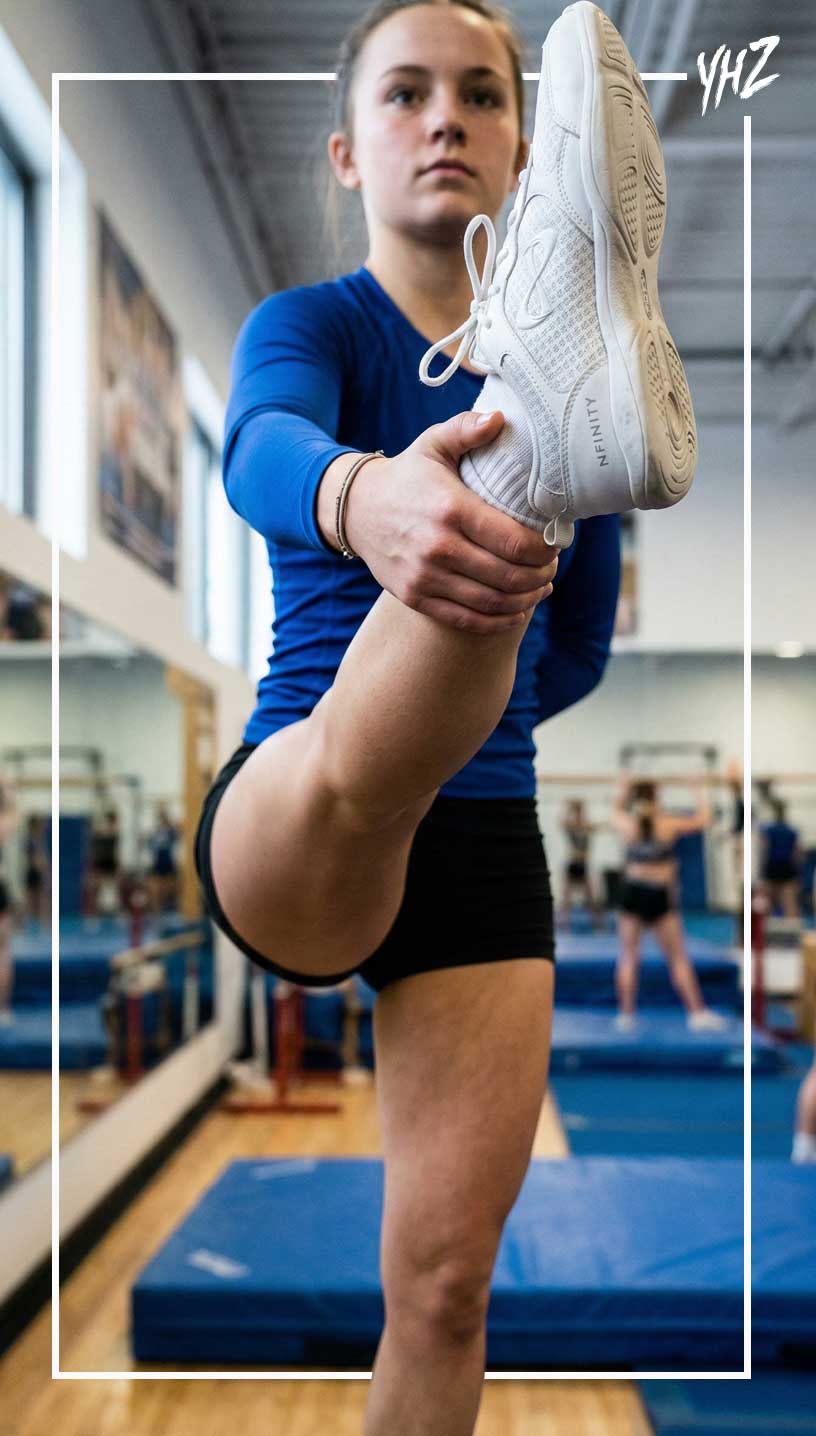
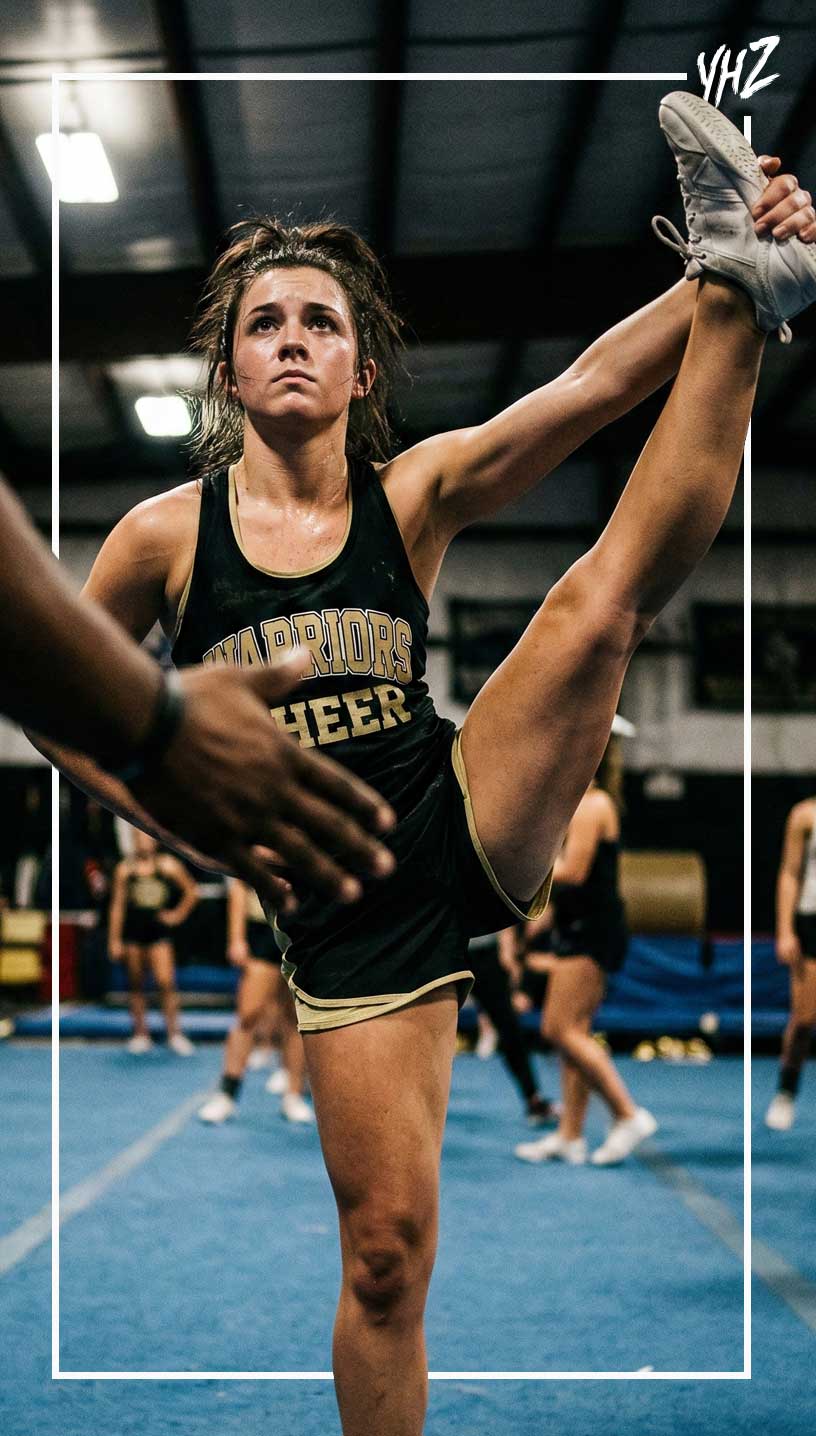
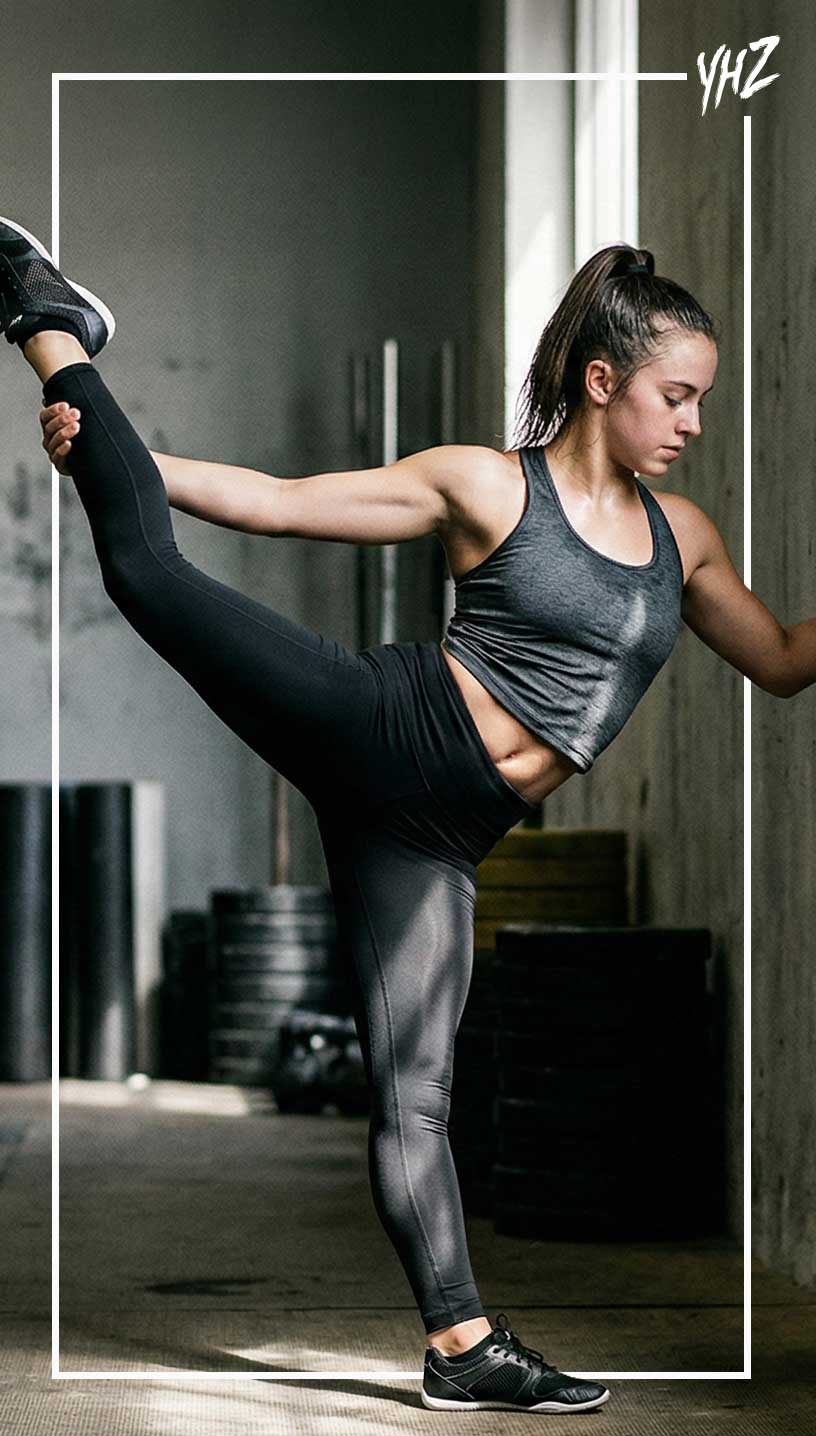
A Heel Stretch is a stunt or body position where the flyer balances on one leg while pulling the opposite leg straight upward, holding the heel with the same-side hand, and extending it near the head.
Technical Breakdown:
- Base leg: Strong, locked, and aligned over the foot center.
- Pulling arm: Reaches across to grab the same-side foot (right hand to right foot).
- Pulling leg: Straightened through the knee, ankle pointed, foot flexed slightly inward.
- Core: Engaged and centered; ribs remain stacked over hips.
- Shoulders: Square, not twisted toward the pulled leg.
- Chest: Lifted and open.
Key Concept:
The Heel Stretch isn’t a flexibility move — it’s a balance and control move that happens to require flexibility.
Step-by-Step: Teaching the Heel Stretch One-on-One
Step 1: Warm-Up and Flexibility Prep
Before any attempts, the flyer must stretch hamstrings, hips, and shoulders.
- Dynamic prep: Leg swings, high kicks, and hip circles.
- Static stretches: Pike stretch, seated straddle, standing quad hold.
Cue: “Flexibility is freedom — control is what makes it beautiful.”
Step 2: Teach the Proper Grip
- Have the athlete lift one leg slightly and grab the heel (not the arch or ankle).
- Cue: “Thumb on the inside, fingers wrapping around the outside edge.”
- The arm should extend upward and slightly outward to allow shoulder space.

Step 3: Build Core Balance on the Ground
- Begin on flat ground in front of a mirror.
- Athlete holds a wall or barre for balance while lifting leg to waist level.
- Cue: “Keep your standing knee locked and your hips even.”
- Focus on posture and tension before adding height.
Step 4: Gradually Increase Height
Use progressive height goals:
- Waist level → chest level → chin level → full extension.
Between each, correct for shoulder tilt, bent leg, or hip rotation.
Step 5: Isometric Holds for Strength
- Hold the Heel Stretch for 5–10 seconds, release slowly.
- Cue: “Pull up through your heel, not from your back.”
- Repeat 5 times per leg for strength and endurance.
Teaching Small Groups
Step 1: Partner Assistance for Grip and Balance
Pair flyers with a partner or coach to stabilize shoulders and hips.
- The partner gently supports the flyer’s wrist or extended leg for form.
- Cue: “Balance through your belly button — not your hand.”
Step 2: Mirror Group Training
Have 3–4 flyers practice Heel Stretches side by side facing mirrors.
Visual feedback helps reinforce symmetry and prevent over-pulling.
Step 3: Controlled Release Drills
Flyers practice controlled lowering from full stretch to prep position in 3 counts.
Cue: “Lower with control — don’t drop your power.”
Teaching the Full Team
Step 1: Progression-Based Grouping
Divide flyers by readiness level:
- Level 1: Learning grip and hip alignment.
- Level 2: Holding at chest/chin height.
- Level 3: Full extension and stability.
Each group works specific goals simultaneously to keep all athletes engaged.
Step 2: Integration With Bases
When progressing to stunt groups:
- Bases must focus on stability first, not height.
- Cue bases: “Drive through your legs, not your arms.”
- Cue flyers: “Stand tall before you stretch — don’t chase the leg.”
Step 3: Team Visual Cohesion
When multiple Heel Stretches are performed at once (e.g., pyramid or opening stunt sequence), use video review to check for consistent pull angles and line heights.
Common Athlete Errors and How to Correct Them
|
Error |
Cause |
Correction Strategy |
|
Bent pulling leg |
Lack of hamstring flexibility |
Add daily hamstring stretches and band-assisted leg lifts. |
|
Hips rotate open |
Over-pulling or weak glutes |
Cue: “Square your hips to the front.” Incorporate hip stability drills. |
|
Chest drops forward |
Core disengagement |
Add hollow holds and planks; cue “Lift your ribs.” |
|
Shoulders twisted |
Pulling across the body |
Adjust grip; cue “Keep your sternum forward.” |
|
Wobbling base leg |
Weak ankle or poor balance |
Train balance on Bosu ball or single-leg squats. |
Drills to Build Heel Stretch Mastery
- Wall-Assisted Heel Stretch
Flyer stands near wall, uses fingertips for support. Practice slow lifts to build stability and balance. - Elastic Band Leg Lifts
Attach a resistance band to the foot and hold the other end in the hand. Lift the leg upward for 8 reps to strengthen hip flexors. - Three-Phase Hold Drill
Lift and hold Heel Stretch for 3 counts, release halfway for 3 counts, then return to full stretch. Builds endurance and control. - Mirror Line Drill
Perform Heel Stretch facing mirror, aligning both hips and shoulders to the visual line. - Full-Team Balance Challenge
All flyers hold Heel Stretch for 10 seconds. Any wobble restarts the clock. Promotes focus and balance under pressure.
Conditioning for Heel Stretch Power and Stability
- Single-leg Romanian deadlifts: 3×10 each leg for balance and hamstring control.
- Core rotations with resistance band: 3×15 to stabilize trunk.
- Glute bridges and clamshells: 3×20 for hip alignment.
- Overhead shoulder presses: 3×12 for supporting arm endurance.
Cue: “Every muscle that holds you still makes your Heel Stretch better.”
Final Coaching Takeaways
A perfect Heel Stretch blends flexibility with control. Teach it progressively — never force it. Prioritize core engagement, posture, and hip alignment before height. The best Heel Stretches look effortless because the strength and balance behind them are trained deliberately. With repetition and precision, your flyers will perform controlled, confident Heel Stretches that wow both judges and spectators.

IPP's Premade Mixes are USA Cheer Compliant and customizable! Add Sound FX, swap songs, & more! Add your Team Name to the mix for only $10!



 Cheer Mixes
 Past-Season Mixes (40% off!)
 You Hit Zero Cheer Blog
 Spotify Playlists
 Quick Quote Video Tutorial