Tag Archives: Cheer Stunt Technique

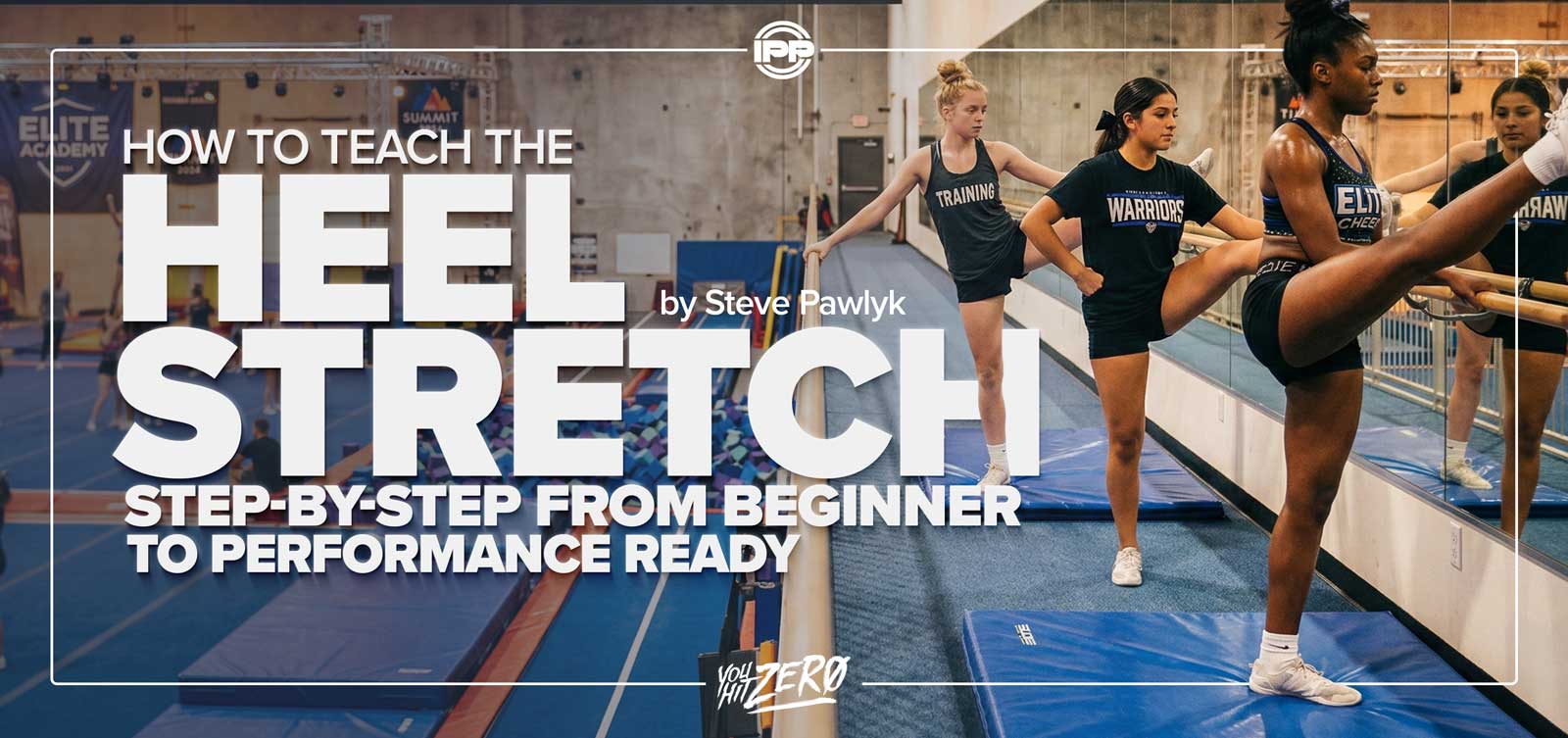
How to Teach the Heel Stretch: Step-by-Step From Beginner to Performance Ready

How to Teach the Heel Stretch Step by Step From Beginner to Performance Ready

By Steve Pawlyk

Published March 2, 2026

The Heel Stretch is one of the most recognizable flyer skills in competitive All-Star cheerleading — and one of the easiest to perform incorrectly. A clean Heel Stretch requires more than flexibility; it depends on balance, body awareness, and coordinated engagement through the core, back, and shoulders. Whether you’re coaching a first-time flyer or refining elite athletes, teaching this skill systematically helps prevent common issues like bent supporting legs, wobbly bases, and over-pulled extensions.
This guide walks you through a complete progression for teaching the Heel Stretch, including one-on-one coaching methods, small group practice structures, team integration, and drills for strength, balance, and flexibility.
all star cheer coaching heel stretch drills

Understanding the Mechanics of the Heel Stretch

Definition:
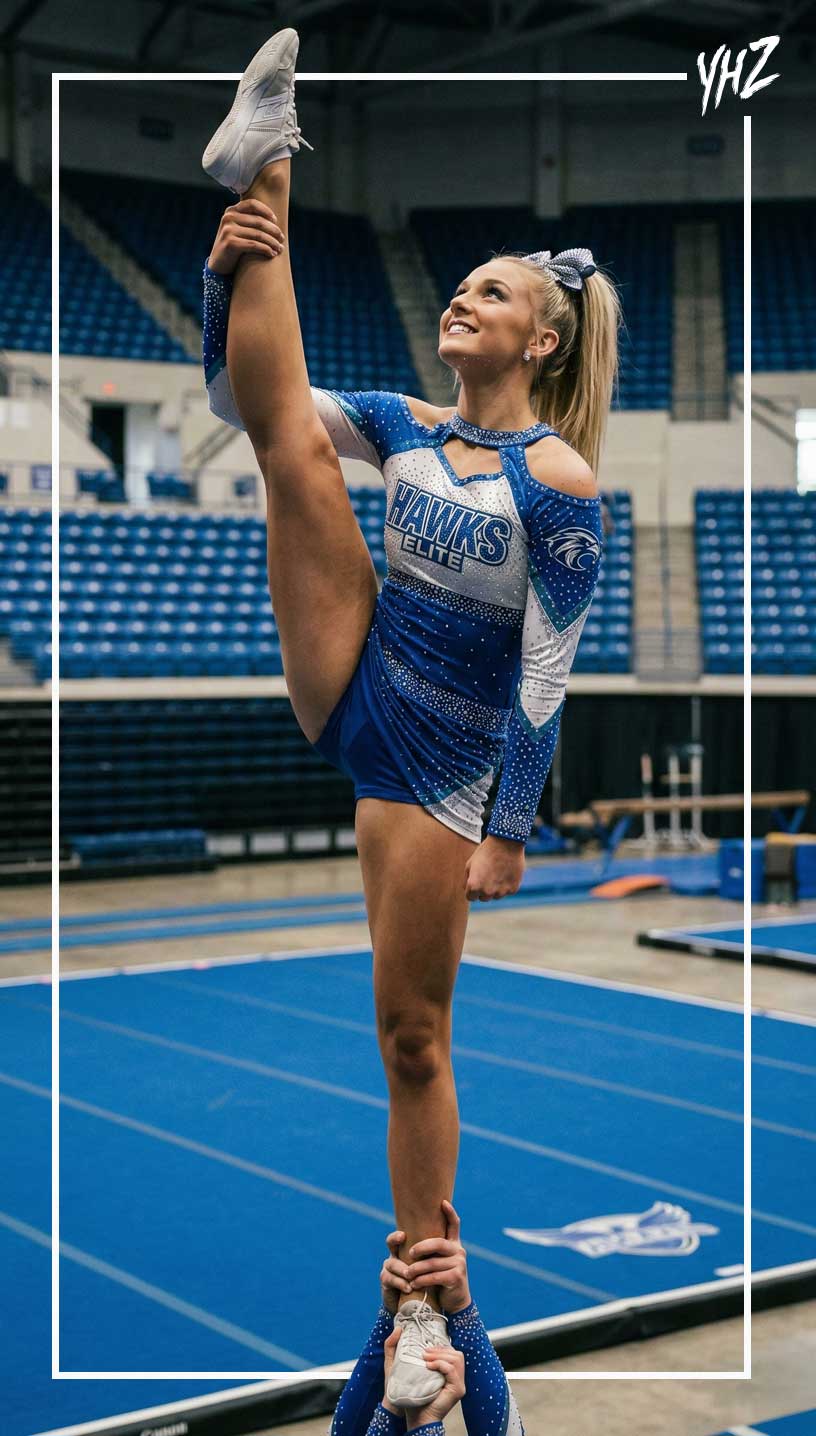
A Heel Stretch is a stunt or body position where the flyer balances on one leg while pulling the opposite leg straight upward, holding the heel with the same-side hand, and extending it near the head.

Technical Breakdown:

  • Base leg: Strong, locked, and aligned over the foot center.
  • Pulling arm: Reaches across to grab the same-side foot (right hand to right foot).
  • Pulling leg: Straightened through the knee, ankle pointed, foot flexed slightly inward.
  • Core: Engaged and centered; ribs remain stacked over hips.
  • Shoulders: Square, not twisted toward the pulled leg.
  • Chest: Lifted and open.

Key Concept:
The Heel Stretch isn’t a flexibility move — it’s a balance and control move that happens to require flexibility.

Step-by-Step: Teaching the Heel Stretch One-on-One

Step 1: Warm-Up and Flexibility Prep

Before any attempts, the flyer must stretch hamstrings, hips, and shoulders.

  • Dynamic prep: Leg swings, high kicks, and hip circles.
  • Static stretches: Pike stretch, seated straddle, standing quad hold.
    Cue: “Flexibility is freedom — control is what makes it beautiful.”

Step 2: Teach the Proper Grip

  • Have the athlete lift one leg slightly and grab the heel (not the arch or ankle).
  • Cue: “Thumb on the inside, fingers wrapping around the outside edge.”
  • The arm should extend upward and slightly outward to allow shoulder space.

Need Competition Music Blue 1

Step 3: Build Core Balance on the Ground

  • Begin on flat ground in front of a mirror.
  • Athlete holds a wall or barre for balance while lifting leg to waist level.
  • Cue: “Keep your standing knee locked and your hips even.”
  • Focus on posture and tension before adding height.

Step 4: Gradually Increase Height

Use progressive height goals:

  • Waist level → chest level → chin level → full extension.
    Between each, correct for shoulder tilt, bent leg, or hip rotation.

Step 5: Isometric Holds for Strength

  • Hold the Heel Stretch for 5–10 seconds, release slowly.
  • Cue: “Pull up through your heel, not from your back.”
  • Repeat 5 times per leg for strength and endurance.
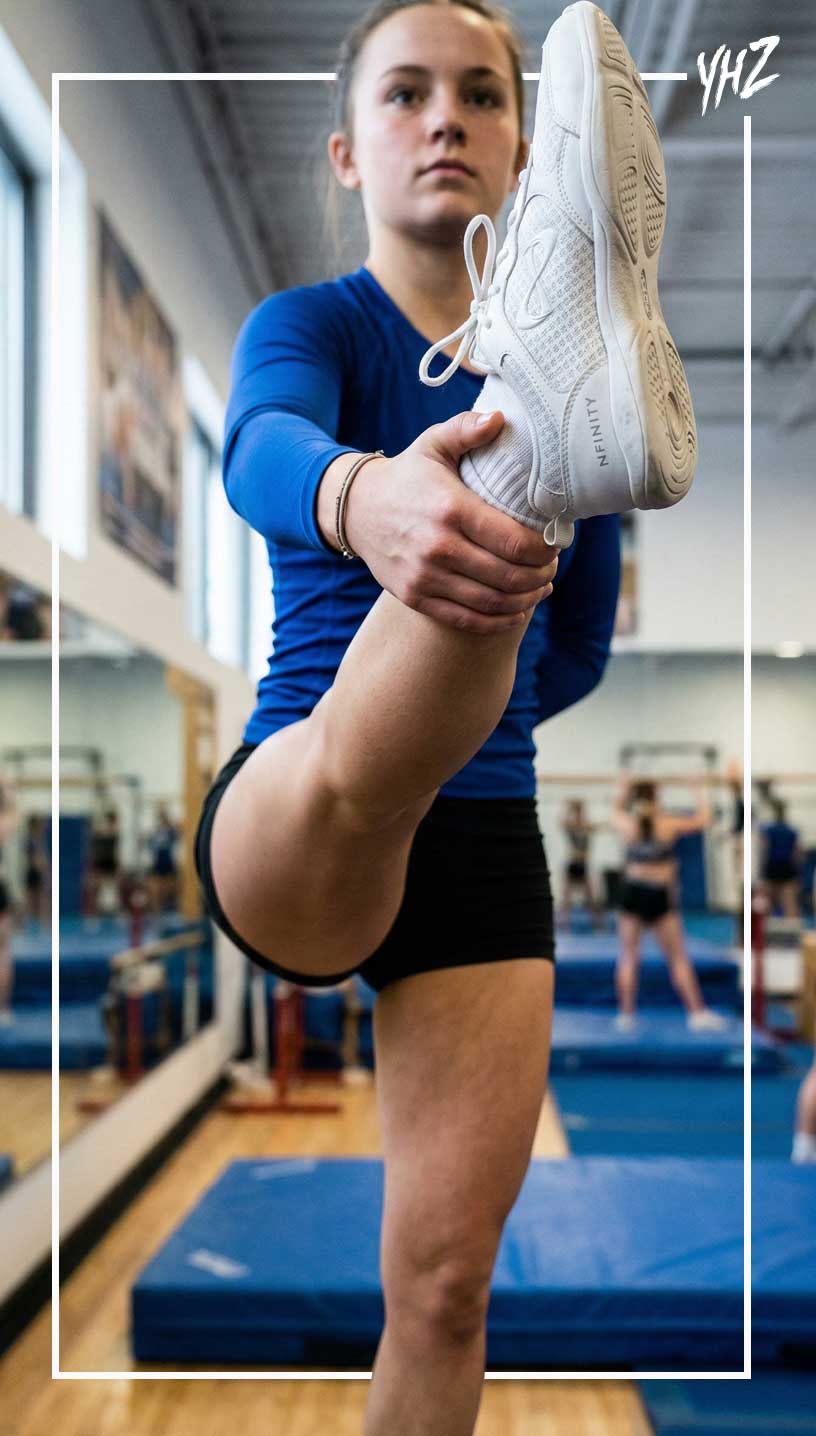
cheer balance drills body control leg flexibility

Teaching Small Groups

Step 1: Partner Assistance for Grip and Balance

Pair flyers with a partner or coach to stabilize shoulders and hips.

  • The partner gently supports the flyer’s wrist or extended leg for form.
  • Cue: “Balance through your belly button — not your hand.”

Step 2: Mirror Group Training

Have 3–4 flyers practice Heel Stretches side by side facing mirrors.
Visual feedback helps reinforce symmetry and prevent over-pulling.

Step 3: Controlled Release Drills

Flyers practice controlled lowering from full stretch to prep position in 3 counts.
Cue: “Lower with control — don’t drop your power.”
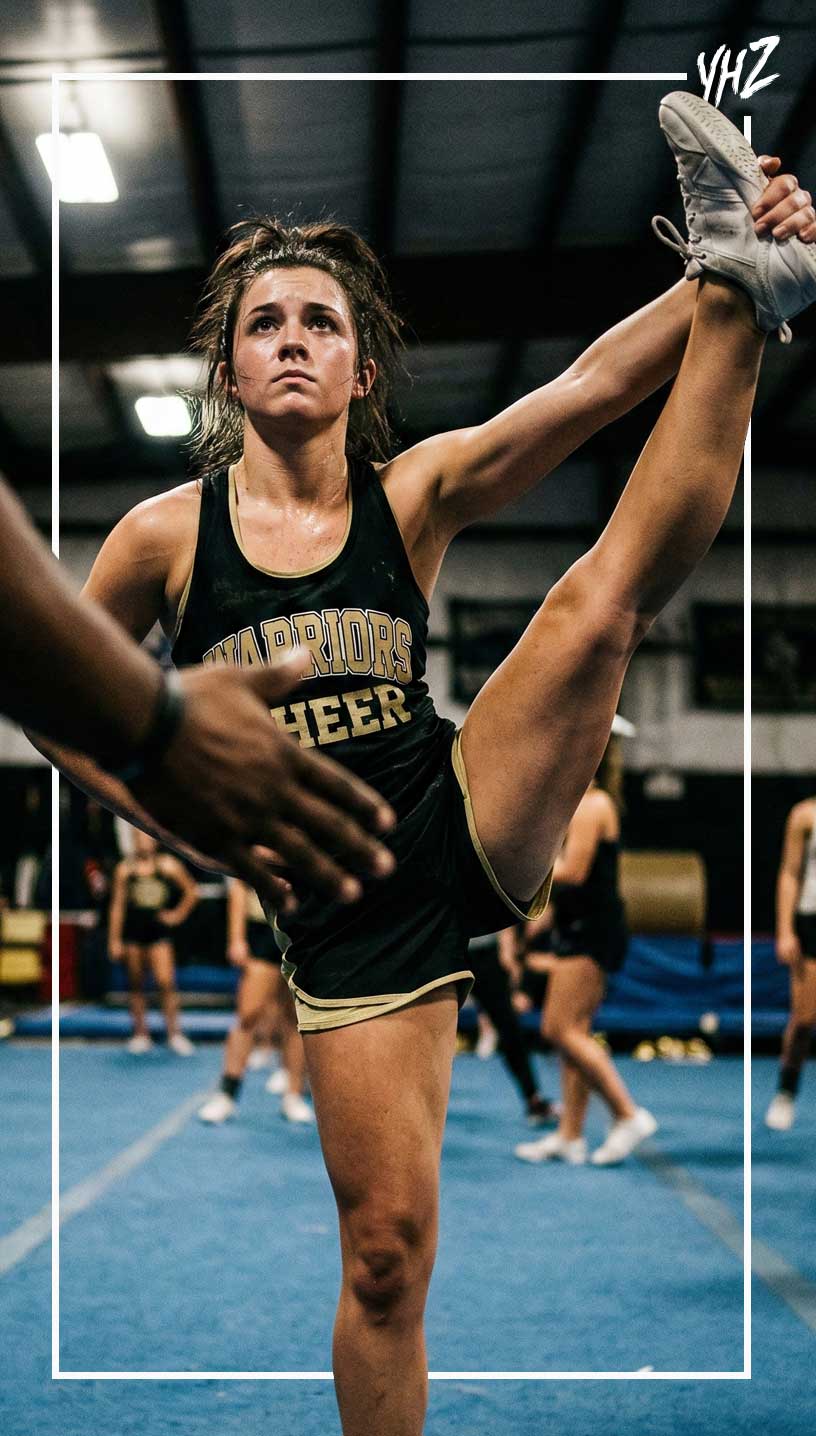
cheer heel stretch flyer heel stretch

Teaching the Full Team

Step 1: Progression-Based Grouping

Divide flyers by readiness level:

  • Level 1: Learning grip and hip alignment.
  • Level 2: Holding at chest/chin height.
  • Level 3: Full extension and stability.

Each group works specific goals simultaneously to keep all athletes engaged.

Step 2: Integration With Bases

When progressing to stunt groups:

  • Bases must focus on stability first, not height.
  • Cue bases: “Drive through your legs, not your arms.”
  • Cue flyers: “Stand tall before you stretch — don’t chase the leg.”

Step 3: Team Visual Cohesion

When multiple Heel Stretches are performed at once (e.g., pyramid or opening stunt sequence), use video review to check for consistent pull angles and line heights.

Common Athlete Errors and How to Correct Them

Error

Cause

Correction Strategy

Bent pulling leg

Lack of hamstring flexibility

Add daily hamstring stretches and band-assisted leg lifts.

Hips rotate open

Over-pulling or weak glutes

Cue: “Square your hips to the front.” Incorporate hip stability drills.

Chest drops forward

Core disengagement

Add hollow holds and planks; cue “Lift your ribs.”

Shoulders twisted

Pulling across the body

Adjust grip; cue “Keep your sternum forward.”

Wobbling base leg

Weak ankle or poor balance

Train balance on Bosu ball or single-leg squats.

Drills to Build Heel Stretch Mastery

  1. Wall-Assisted Heel Stretch
    Flyer stands near wall, uses fingertips for support. Practice slow lifts to build stability and balance.
  2. Elastic Band Leg Lifts
    Attach a resistance band to the foot and hold the other end in the hand. Lift the leg upward for 8 reps to strengthen hip flexors.
  3. Three-Phase Hold Drill
    Lift and hold Heel Stretch for 3 counts, release halfway for 3 counts, then return to full stretch. Builds endurance and control.
  4. Mirror Line Drill
    Perform Heel Stretch facing mirror, aligning both hips and shoulders to the visual line.
  5. Full-Team Balance Challenge
    All flyers hold Heel Stretch for 10 seconds. Any wobble restarts the clock. Promotes focus and balance under pressure.

Conditioning for Heel Stretch Power and Stability

  • Single-leg Romanian deadlifts: 3×10 each leg for balance and hamstring control.
  • Core rotations with resistance band: 3×15 to stabilize trunk.
  • Glute bridges and clamshells: 3×20 for hip alignment.
  • Overhead shoulder presses: 3×12 for supporting arm endurance.
    Cue: “Every muscle that holds you still makes your Heel Stretch better.”

Final Coaching Takeaways

A perfect Heel Stretch blends flexibility with control. Teach it progressively — never force it. Prioritize core engagement, posture, and hip alignment before height. The best Heel Stretches look effortless because the strength and balance behind them are trained deliberately. With repetition and precision, your flyers will perform controlled, confident Heel Stretches that wow both judges and spectators.
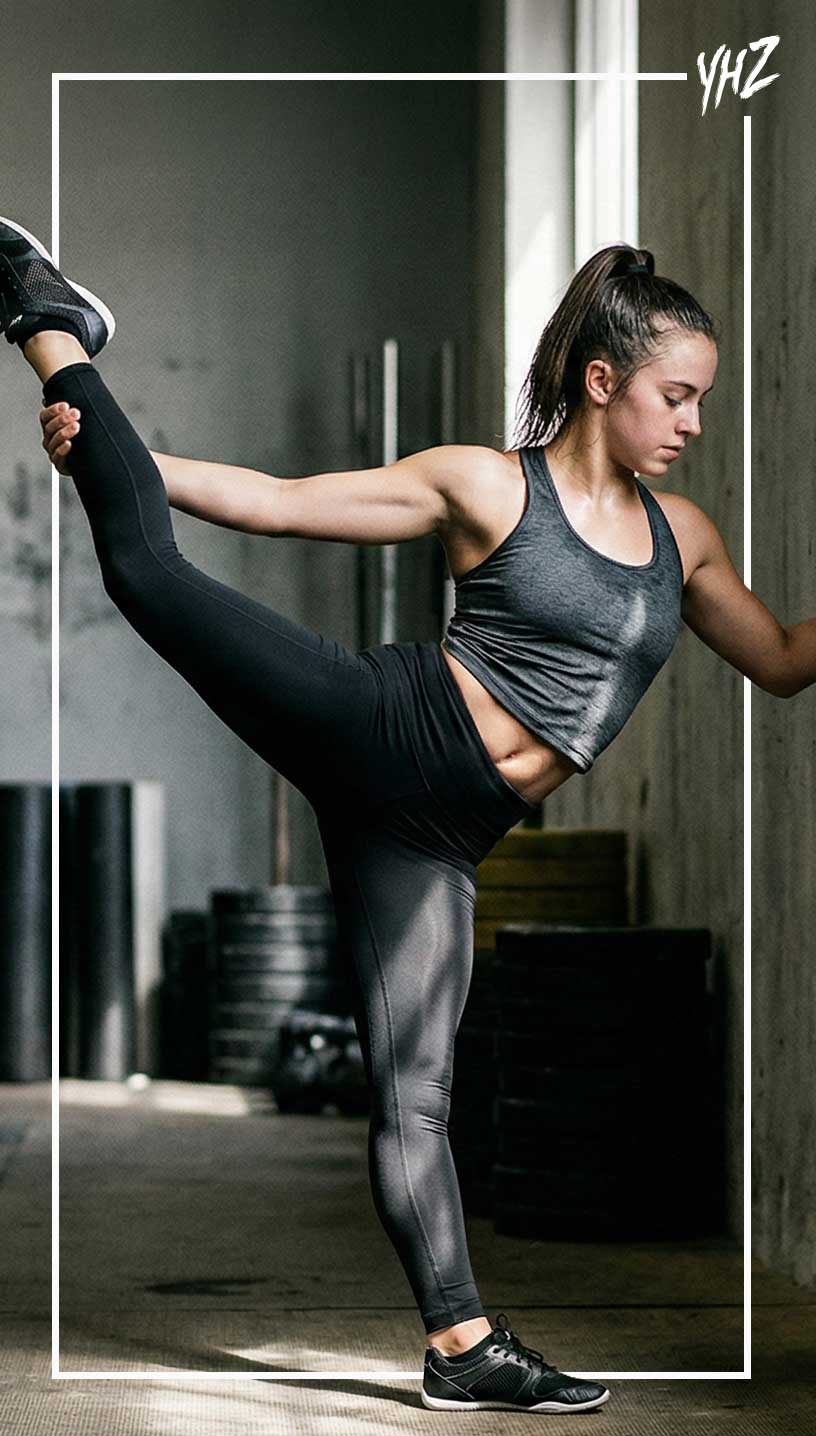
cheer heel stretch technique

Steve Pawlyk Signature Full

IPP's Premade Mixes are USA Cheer Compliant and customizable!  Add Sound FX, swap songs, & more!  Add your Team Name to the mix for only $10! 

SLAM artwork
Full_Out_130 mp3 image
1 minute cheer mix
WAKE UP THE FIRE
SLAM artwork
WAKE UP THE FIRE
Full_Out_130 mp3 image
1 minute cheer mix

The Rise of Specialization in Cheerleading Coaching

Rise of Specialization in Cheerleading Coaching

By Steve Pawlyk

Published December 7, 2023

In the ever-evolving realm of cheerleading, the trend of specialization among coaches is reshaping the landscape. With cheerleading’s growing complexity, coaches focusing on specific niches such as stunt technique, choreography, or team dynamics are becoming increasingly valuable. This article explores the burgeoning world of specialized cheerleading coaching and its impact on both athletes and the sport itself.

The Shift Towards Specialization:

Gone are the days when a one-size-fits-all approach sufficed in cheerleading coaching. The landscape of cheerleading has undergone a significant transformation, evolving from a predominantly spirit-oriented activity into a highly competitive and athletic sport. This evolution demands a more nuanced approach to coaching, where specialization is no longer a luxury—it’s a necessity.

In response to this shift, coaches are increasingly focusing on specific aspects of cheerleading. This move towards specialization is driven by the recognition that the diverse elements of cheerleading, such as tumbling, stunting, and dance, require distinct skills and knowledge. By concentrating on a particular niche, coaches can offer more in-depth and advanced training, tailored to the unique needs and goals of their athletes.

For instance, tumbling specialists are equipping athletes with advanced gymnastic skills, ensuring they execute flips and tumbles with precision and safety. Similarly, coaches with a focus on stunting are delving into the mechanics of lifts and throws, emphasizing technique and teamwork essential for executing complex stunts successfully.

Moreover, the intricate choreography of modern cheer routines demands a creative and artistic approach. Coaches specializing in choreography are blending athletic rigor with expressive elements to create captivating performances. This specialization not only enhances the visual appeal of routines but also contributes to higher scores in competitions, where originality and creativity are highly valued.

The trend towards specialization also acknowledges the growing competitive nature of cheerleading. As the sport garners more recognition and becomes increasingly popular, the competition intensifies. Specialized coaches are thus vital in helping teams and individual athletes gain a competitive edge, offering training that is both cutting-edge and specific to the demands of modern cheerleading.

Need Competition Music Blue 1

Benefits of Niche Coaching

Specialized coaching in cheerleading offers a multitude of benefits, both for the athletes and the sport as a whole. By focusing on a specific niche, coaches transform into experts in their field, bringing a depth of knowledge and skill that is unparalleled. This level of expertise is crucial in a sport as multifaceted and dynamic as cheerleading.

1. Enhanced Skill Development:

Specialized coaches possess a deep understanding of their chosen area, whether it’s tumbling, stunting, or choreography. This allows them to impart high-level skills to their athletes, tailored to the specific demands of that discipline. Athletes benefit from training that is not just general in nature but is specifically designed to enhance their abilities in a particular aspect of cheerleading.

2. Improved Performance and Competitive Edge:

As coaches concentrate on their specialty, they can refine their athletes’ techniques to a much higher degree. This leads to improved overall performance, as athletes are not just competent but excel in specific elements of cheerleading. In the competitive arena, this can be the difference between a good routine and a great one, giving teams an edge over their rivals.

3. Boosted Safety:

One of the paramount benefits of niche coaching is enhanced safety. Specialized coaches are well-versed in the safety protocols and techniques specific to their area. For instance, a coach specializing in stunts will have an in-depth understanding of how to execute these elements safely, reducing the risk of injury. This focus on safety is vital in a sport that involves high-risk elements.

4. Personalized Attention to Athletes:

Specialization allows coaches to provide more personalized attention to their athletes. They can identify individual strengths and weaknesses within their specialty, offering tailored advice and training. This personalized approach helps athletes develop more rapidly and effectively.

5. Keeping Up with Evolving Techniques:

Cheerleading is a sport that continuously evolves. Specialized coaches stay abreast of the latest techniques and trends in their niche, ensuring that their athletes are learning the most current and effective methods. This continuous learning keeps teams innovative and progressive.

6. Building Athlete Confidence:

When athletes train under specialized coaches, they gain confidence in their abilities. Knowing they are receiving top-tier training in their specific area of cheerleading makes athletes more confident in their performance, which is often reflected in how they execute their routines.

Stunt Technique Mastery:

The mastery of stunts is not just about executing high-flying feats; it’s about combining skill, precision, and safety. Coaches who specialize in stunt technique play a crucial role in revolutionizing how teams perform these complex routines.

1. Understanding the Mechanics of Stunts:

A deep understanding of the mechanics behind each stunt is essential. This includes knowledge of body alignment, momentum, and force distribution. Coaches teach athletes how to properly align their bodies for maximum efficiency and safety, focusing on key aspects like core strength, balance, and coordination.

2. Emphasizing Safety in Every Aspect:

Safety is paramount in stunt execution. Specialists ensure that all stunts are performed within safety guidelines, and they train athletes in proper techniques to minimize the risk of injury. This includes teaching correct spotting techniques, where spotters learn how to effectively support and catch flyers, and ensuring that all team members understand their role in each stunt.

3. Progressive Skill Development:

Coaches should adopt a progressive approach to teaching stunts, starting with basic techniques and gradually moving to more complex ones as the athletes’ skills and confidence grow. This step-by-step approach helps in building a strong foundation, reducing the risk of injury, and ensuring long-term development.

4. Customizing Training for Individual Needs:

Understanding that each athlete has unique strengths and areas for improvement is crucial. Coaches should tailor their training to address these individual needs, helping each team member to maximize their potential in stunt performance.

5. Incorporating Conditioning and Strength Training:

Physical conditioning and strength training are vital components of stunt technique mastery. Coaches should incorporate exercises that build the strength, flexibility, and endurance necessary for executing stunts. This includes targeted workouts focusing on core strength, leg power, and upper body conditioning.

6. Utilizing Drills and Repetitions:

Repetition is key in mastering stunts. Coaches should design drills that allow athletes to practice stunts repeatedly in a controlled environment. This not only helps in perfecting the technique but also builds muscle memory, which is crucial during high-pressure situations like competitions.

7. Encouraging Teamwork and Trust Building:

Successful stunts require impeccable teamwork and trust among team members. Coaches should conduct team-building exercises that enhance trust and communication, ensuring that each member understands and executes their role flawlessly during stunts.

8. Analyzing and Refining Techniques:

Continuous analysis and refinement of stunt techniques are important. Coaches should regularly review performances, provide constructive feedback, and make necessary adjustments to techniques, ensuring continuous improvement and adaptation to evolving cheerleading standards.

Choreography and Creativity:

The role of choreography specialists is becoming increasingly pivotal. These experts bring a unique blend of athletic rigor and artistic creativity, elevating routines from mere performances to captivating displays of skill and expression

1. Crafting Visually Stunning Routines:

Choreography specialists have the unique ability to visualize and create routines that are not only technically proficient but also visually stunning. They understand the importance of formations, transitions, and synchronization, crafting sequences that are both aesthetically pleasing and challenging. This visual appeal is essential in catching the attention of judges and audiences alike.

2. Balancing Athleticism and Artistry:

One of the key strengths of choreography experts is their ability to balance athleticism with artistry. They weave complex stunts and tumbling passes into the fabric of dance and movement, creating a seamless blend that showcases the full range of cheerleading skills. This balance is crucial in competitive cheerleading, where both technical skill and creative presentation are evaluated.

3. Enhancing Team Identity and Style:

Choreographers play a significant role in defining a team’s style and identity. Through their creative vision, they can craft routines that reflect a team’s unique personality and strengths. This helps teams stand out in competitions, leaving a memorable impression on judges and spectators.

4. Pushing the Boundaries of Creativity:

These specialists are often at the forefront of innovation in cheerleading choreography. They push the boundaries of what is possible, introducing new elements and styles that keep the sport fresh and exciting. This constant innovation ensures that cheerleading continues to evolve and captivate new audiences.

5. Tailoring Routines to Maximize Scoring Potential:

Understanding competition scoring systems is another critical aspect of a choreographer’s role. They design routines that not only impress but also align with the scoring criteria, maximizing the potential for high scores. This strategic approach can make a significant difference in a team’s competitive success.

6. Inspiring Athletes:

Choreographers also play a key role in inspiring athletes. By creating routines that are enjoyable and challenging, they motivate cheerleaders to push their limits and take pride in their performances. This inspiration is crucial in building a team’s morale and enthusiasm.

Fostering Team Dynamics:

Specialists in team dynamics play a crucial role in building team cohesion and mental toughness. Their focus on communication, trust, and teamwork is crucial in a sport that relies heavily on synchronization and team effort.

1. Cultivating a Positive Team Environment:

Specialists in team dynamics are skilled in creating a positive and supportive team environment. They understand that the emotional and psychological well-being of athletes is as important as their physical skills. By fostering a positive atmosphere, these coaches help athletes feel valued and supported, which is essential for team cohesion and morale.

2. Enhancing Communication Skills:

Effective communication is vital in cheerleading, where every move needs to be perfectly synchronized. Coaches specializing in team dynamics work on developing clear and effective communication channels within the team. This includes not only verbal communication during performances but also non-verbal cues and understanding among team members.

3. Building Trust and Reliability:

Trust is the foundation of any successful cheerleading team. Specialists in team dynamics focus on exercises and activities that build trust among team members. This trust is crucial when performing complex stunts and routines, where each member must rely on their teammates for safety and performance.

4. Encouraging Teamwork and Collaboration:

These coaches emphasize the importance of teamwork and collaboration. They teach athletes that the success of the team depends on each member working together towards a common goal. This understanding helps in creating a cohesive unit where members support and uplift each other.

5. Developing Mental Toughness:

Mental toughness and resilience are critical in cheerleading, especially in competitive scenarios. Coaches focusing on team dynamics help athletes develop the mental strength to handle pressure, overcome challenges, and perform confidently under various circumstances.

6. Resolving Conflicts and Strengthening Bonds:

In any team sport, conflicts are inevitable. Specialists in team dynamics are adept at conflict resolution, ensuring that disagreements do not disrupt team harmony. They also work on strengthening the bonds between team members, fostering a sense of unity and camaraderie.

Need Competition Music Blue 1

The rise of specialization in cheer coaching is a testament to the sport’s growth and complexity. Coaches who hone specific skills and knowledge not only set themselves apart but also significantly contribute to the development and success of their athletes. As cheer continues to evolve, so will the need for specialized coaching.

Steve Pawlyk Signature Full

IPP's Premade Mixes are USA Cheer Compliant and customizable!  Add Sound FX, swap songs, & more!  Add your Team Name to the mix for only $10! 

SLAM artwork
Full_Out_130 mp3 image
1 minute cheer mix
WAKE UP THE FIRE
SLAM artwork
WAKE UP THE FIRE
Full_Out_130 mp3 image
1 minute cheer mix
SHARE YOUR CART