
 •
•




Coaching, Events, Featured, News, Rules
The Cheerleading Worlds 2027 scoring changes: What coaches need to know

Aug



By Steve Pawlyk
Published August 18, 2026
USASF has changed the scoring system for The Cheerleading Worlds 2027. Club divisions will move from a 170-point score sheet to 100 points.
At first glance, that sounds like a major scoring overhaul. The numbers look very different, but most of the scoring priorities remain almost the same.
USASF kept the same scoring categories and changed most category weights by less than one percentage point. One change deserves more attention: jump difficulty will now use a capped scoring system.
For coaches, that distinction matters. You probably don’t need to full-on rebuild your whole routine just because the score sheet now totals 100 points.
Buuuut…you do need to understand where the percentages moved and how the new jump cap affects the decisions you make about your routine.
What changed on the 2027 Worlds score sheet?
The previous USASF Worlds score sheet had 170 available points. The new sheet has 100, which makes the scoring system easier to read and compare.
USASF kept all 10 categories from the previous Worlds scoring system. Difficulty, execution, participation, synchronization, variety, pace, composition and performance still affect your score.
USASF Executive Director Dana Fielding described the update as primarily a scale conversion rather than a change in scoring philosophy.
That is probably the best way for coaches to view it.
A stunt section that scored well under the old system should still score well under the new one. The same applies to tumbling, pyramids and performance.
The percentages tell the real story.
How the category weights changed
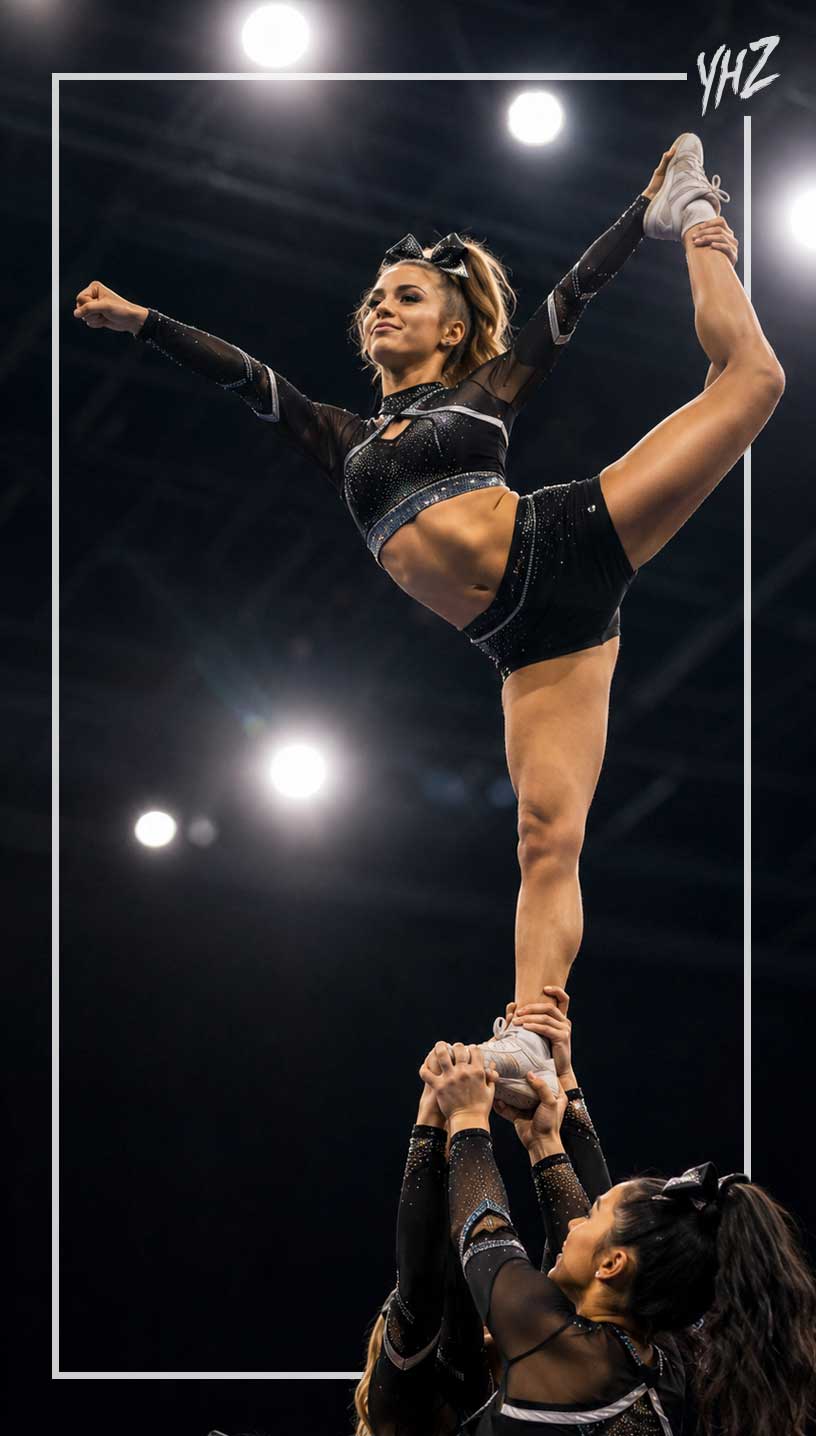
Stunts accounted for 23.53% of the previous USASF score. They now account for 24%.
Pyramids made the same move, from 23.53% to 24%. Standing and running tumbling each move from 11.76% to 12%.
Here is the full comparison:
|
Category |
2026 weight |
2027 weight |
|
Stunts |
23.53% |
24% |
|
Pyramids |
23.53% |
24% |
|
Tosses |
5.88% |
6% |
|
Standing tumbling |
11.76% |
12% |
|
Running tumbling |
11.76% |
12% |
|
Jumps |
5.88% |
6% |
|
Dance |
5.88% |
6% |
|
Routine composition and creativity |
5.88% |
4% |
|
Formations and transitions |
2.94% |
3% |
|
Performance and showmanship |
2.94% |
3% |
Building now accounts for 54% of the USASF score. Under the old sheet, building accounted for 52.94%. Tumbling moves from 29.41% to 30%. The remaining categories drop from 17.65% to 16%.
Those differences are real, but small. Building gains 1.06 percentage points, while tumbling gains only 0.59 percentage points. Routine composition and creativity has the largest percentage change. It drops from 5.88% of the total score to 4%.
That doesn’t mean you should stop caring about creative routines. It means composition carries slightly less scoring weight than it did last season.
The jump change matters more than the new total
The new jump system deserves more attention than the move from 170 points to 100. USASF will now use a capped system for jump difficulty. Teams can reach the maximum difficulty score by meeting the required standard. Once your team reaches that standard, adding more jump difficulty cannot increase the difficulty score further.
That changes the risk calculation.
Suppose your athletes can perform the required jump sequence with good timing and technique. Adding another difficult element may give you no extra difficulty credit.
If the added element hurts synchronization or landing control, the extra difficulty could work against you. The 2027 jump category still has six available points. Three points come from difficulty, while three points come from execution. Reaching the difficulty cap does not finish the job.
Your athletes still need good height, body position, timing and landings. A team that reaches the cap with poor execution can still lose points.
This should encourage coaches to stop adding difficulty once the section already earns full difficulty credit. At that point, clean execution becomes the better use of practice time.
USASF may release more scoring education during the season. Coaches should check the current USASF scoring documents before making final choreography decisions.

Building still controls more than half of the score
Stunts carry 24 points under the new USASF score sheet. Pyramids carry another 24, while tosses account for six points. That gives building 54 of the available 100 points.
The scoring system still gives coaches a strong reason to prioritize reliable building sections. A difficult stunt that rarely hits remains a poor routine choice. Difficulty matters, but judges also score technique and execution. Your hardest stunt does not help much if athletes fight through it every time.
The same principle applies to pyramids. Your athletes need enough time to complete the structure, show the skill and move into the next section. Rushed building creates problems beyond the stunt itself. Late grips and slow dismounts can also affect transitions, timing and the next skill. The new score sheet does not reward difficulty at any cost.
Tumbling gained weight, but only slightly
You may hear that USASF increased the value of tumbling for Worlds 2027. That statement is technically correct, but it needs context.
Standing tumbling now carries 12% of the score. Running tumbling also carries 12%, while jumps account for another 6%.
The combined tumbling group now accounts for 30% of the score. Last season, the same group accounted for 29.41%.
That is an increase of only 0.59 percentage points.
A coach should not add a risky pass because tumbling “went up.” The scoring change is too small to justify skills athletes cannot perform consistently.
If two routine options already make sense, the new weighting can help you choose between them. It should not dictate your entire tumbling plan.
Participation still matters. Clean technique still matters. A controlled pass from more athletes can beat harder tumbling with poor execution.
Routine composition lost some weight
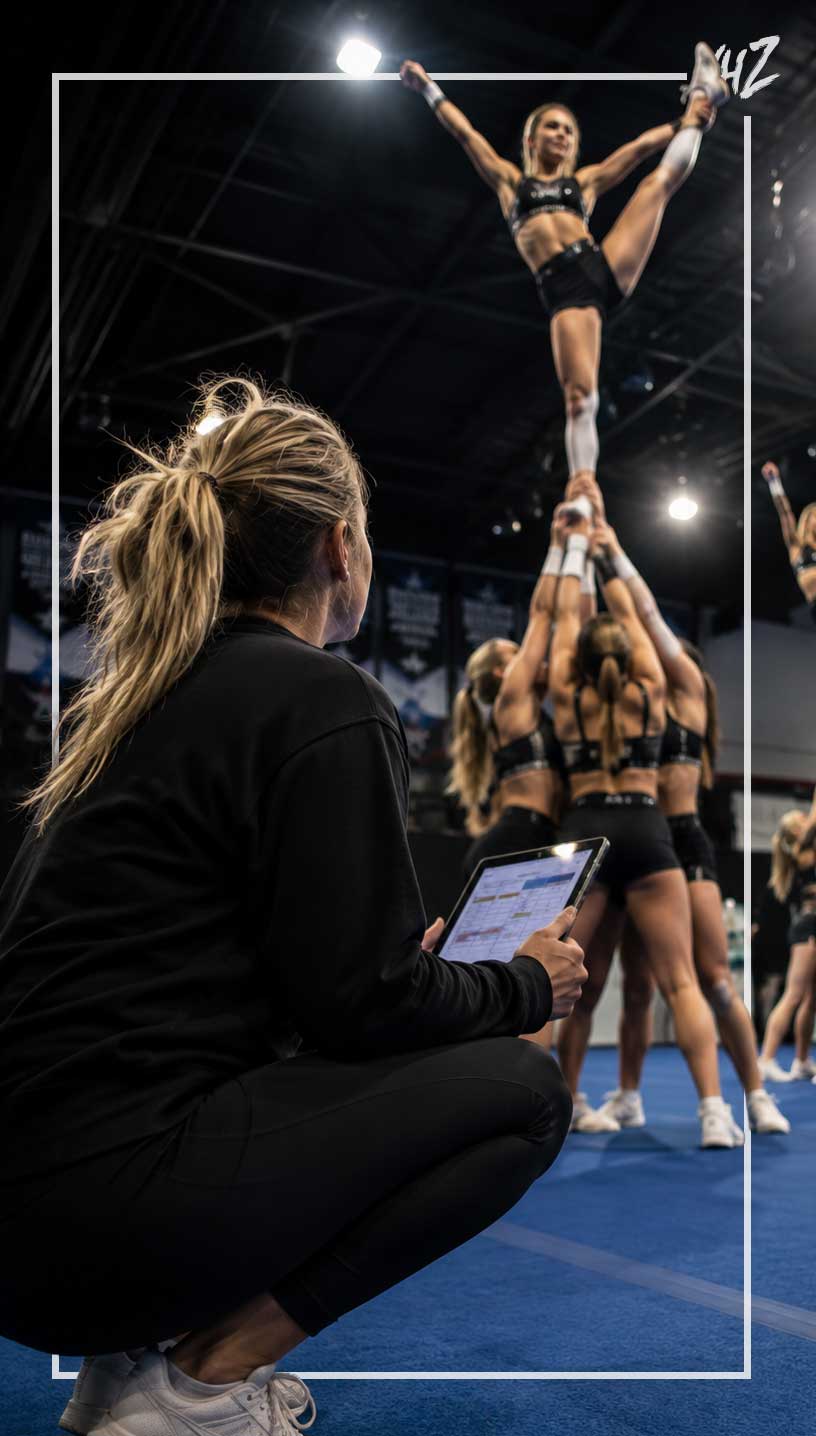
Routine composition and creativity had 10 available points on the old 170-point sheet. The category now has four points on the 100-point sheet. That changes its weight from 5.88% to 4%.
For some coaches, this may give permission to simplify sections that cause repeated problems. A clever transition has little value if athletes arrive late to the next stunt.
You should still create a routine that looks intentional and complete. Judges continue to score composition, formations, transitions, dance and performance. Those categories still account for meaningful points when you combine them. The change simply gives coaches more room to ask a useful question: does this creative choice help the routine enough to justify its cost?
Sometimes the answer will be yes. Sometimes removing one complicated transition will make the entire routine cleaner.
This could change how you clean a routine
The new scoring system may affect practice priorities more than choreography.
Start with jumps. Confirm that your planned sequence can reach the difficulty cap, then put more time into execution. After that, review your building sections. Stunts, pyramids and tosses account for more than half of the USASF score.
Ask how often each major skill hits during normal practice. Do not judge reliability from your best full-out of the week. A skill that hits eight times out of ten gives you a very different competition plan from one that hits three times. Then look at tumbling participation and technique. The small scoring increase makes clean team tumbling slightly more valuable, but reliability still comes first.
Finally, review transitions and composition. Simplify anything that creates more problems than scoring value. This is especially useful later in the season. Coaches often keep choreography because they spent time teaching it, even when the section never becomes dependable.
The score sheet gives you a reason to be more selective.
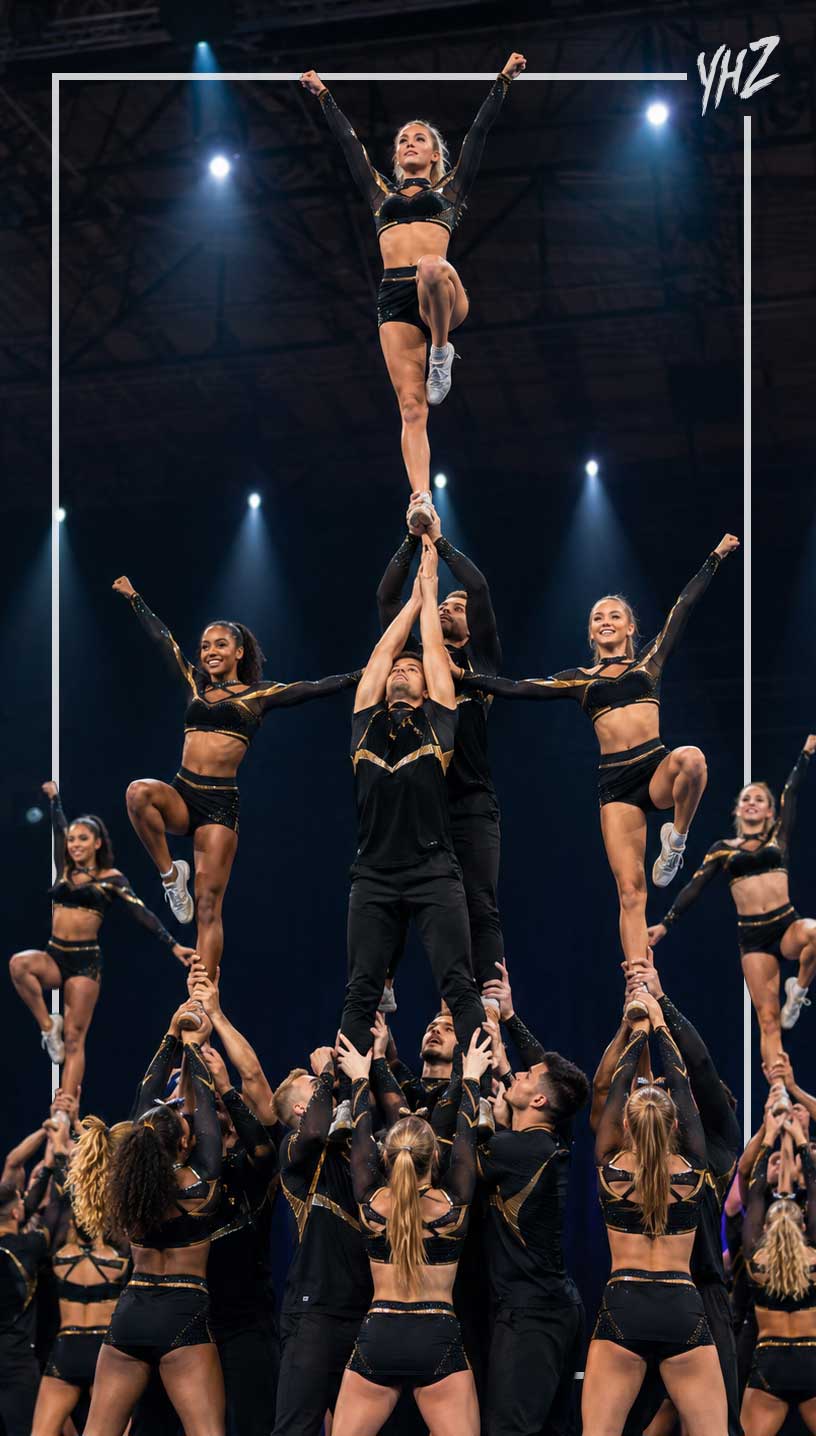
Do not confuse difficulty with maximum score potential
One mistake coaches can make is treating every scoring change as a request for more difficulty. The 2027 sheet does not say that.
Your score still depends on how well athletes perform the skills in the routine. Difficulty only works when the team can execute it at the required level.
That becomes especially clear with the new jump cap. Once your team reaches maximum difficulty credit, adding more difficulty offers no scoring benefit there. The same basic logic should guide the rest of your routine.
Ask whether a harder skill increases your realistic score. Do not ask whether it makes the routine look harder on paper. Those are different questions.
USASF and IASF both changed their totals
The scoring update also affects IASF divisions at The Cheerleading Worlds 2027. IASF tumbling divisions will move from 150 points to 100 points. IASF non-tumbling divisions will move from 135 points to 92. The similar totals may make the USASF and IASF systems look almost identical. Their scoring weights remain different.
USASF gives 54% of its Level 6 score to building. IASF tumbling divisions give considerably more weight to building. IASF stunts and pyramids each account for 30% of the 100-point tumbling score sheet.
That difference matters for programs that compete under both systems. A routine plan built for USASF scoring does not automatically transfer to an IASF division. Coaches should compare the category weights, not only the final point total.
So what should you do now?
First, download the current Worlds scoring documents from USASF. Make sure your staff uses the same version when you discuss routine changes.
Next, check your jump plan against the new difficulty cap. You need to know when your team has already reached maximum difficulty credit. Then review your building difficulty and hit rate. Building still carries 54% of the USASF score, so consistency deserves serious attention. Do the same with tumbling. Do not add difficulty simply because the combined tumbling percentage increased.
Review composition last. The category lost weight, which may make some risky transitions easier to remove. You should also get outside scoring feedback before your most important event.
USASF lists sanctioned 2026-2027 competitions that will use The Cheerleading Worlds scoring system. An early score sheet can expose problems you miss in your own gym. Video review helps, but an outside judge sees the routine differently. That feedback can tell you whether your intended difficulty and execution actually read from the judges’ table.
The biggest mistake would be overreacting
The move from 170 points to 100 points creates a large visual change. The actual USASF scoring priorities changed much less. Building gained a little weight. Tumbling gained a little. Routine composition lost some weight, and jump difficulty now has a defined ceiling.
For most Worlds teams, that should lead to adjustments rather than a full routine rebuild. Make sure your jumps reach the cap. Put your best building skills on the floor, and remove difficulty your athletes cannot perform reliably. Then clean the routine until the score sheet has fewer places to take points away.
The total at the bottom changed. The basic job did not.

IPP's Premade Mixes are USA Cheer Compliant and customizable! Add Sound FX, swap songs, & more! Add your Team Name to the mix for only $10!




 Cheer Mixes
 Past-Season Mixes (50% off!)
 You Hit Zero Cheer Blog
 Spotify Playlists
 Quick Quote Video Tutorial